Wildlife & Biodiversity
A meeting of two of India's richest ecosystems, the Western Ghats and the Arabian Sea.
Kundapura taluk sits on the Western Ghats–Konkan coast, a UNESCO-recognised global biodiversity hotspot. Drenched by one of India's heaviest monsoons, its perennial rivers descend from evergreen rainforest near Kollur and Agumbe to braid into the Panchagangavalli estuary at Gangolli. Within a single taluk, tigers and lion-tailed macaques roam the hills while crabs, prawns and waterbirds throng the mangrove mudflats, a compression of life found in few places on Earth.
Wet rainforest near Agumbe and Kodachadri, high in endemism, home to large mammals, hornbills, the king cobra and a wealth of frogs, butterflies and orchids found nowhere else.
Where five rivers meet the tide, a nursery for fish, prawn and crab, a roost for egrets, ibis and kingfishers, and a living buffer against the rising sea.
Land, rain and the shape of life
Kundapura's terrain steps from the Arabian Sea up to the Ghats foothills, coastal plains and estuaries giving way to lateritic slopes and evergreen forest at 100–730 m. The climate is tropical monsoon: mean annual rainfall reaches roughly 4,800 mm, with around 90% of it falling between June and September (close to 790 mm in June alone, and almost nothing in January). This extreme seasonality is the engine of local biodiversity. It sustains the perennial west-flowing rivers, feeds the rainforest canopy, and pulses the estuary between fresh and saline through the year.
Mammals of the Western Ghats
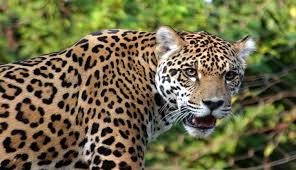
The forested uplands around Kollur and Kodachadri, much of them within the Mookambika Wildlife Sanctuary, shelter a full Western Ghats mammal community. At the top of the food chain stand the great predators: the tiger (Panthera tigris, Endangered) and the leopard (Panthera pardus, Vulnerable), joined by the pack-hunting dhole (Asiatic wild dog) and the shaggy sloth bear. They are rarely seen, but their prey is the visible heart of the forest.
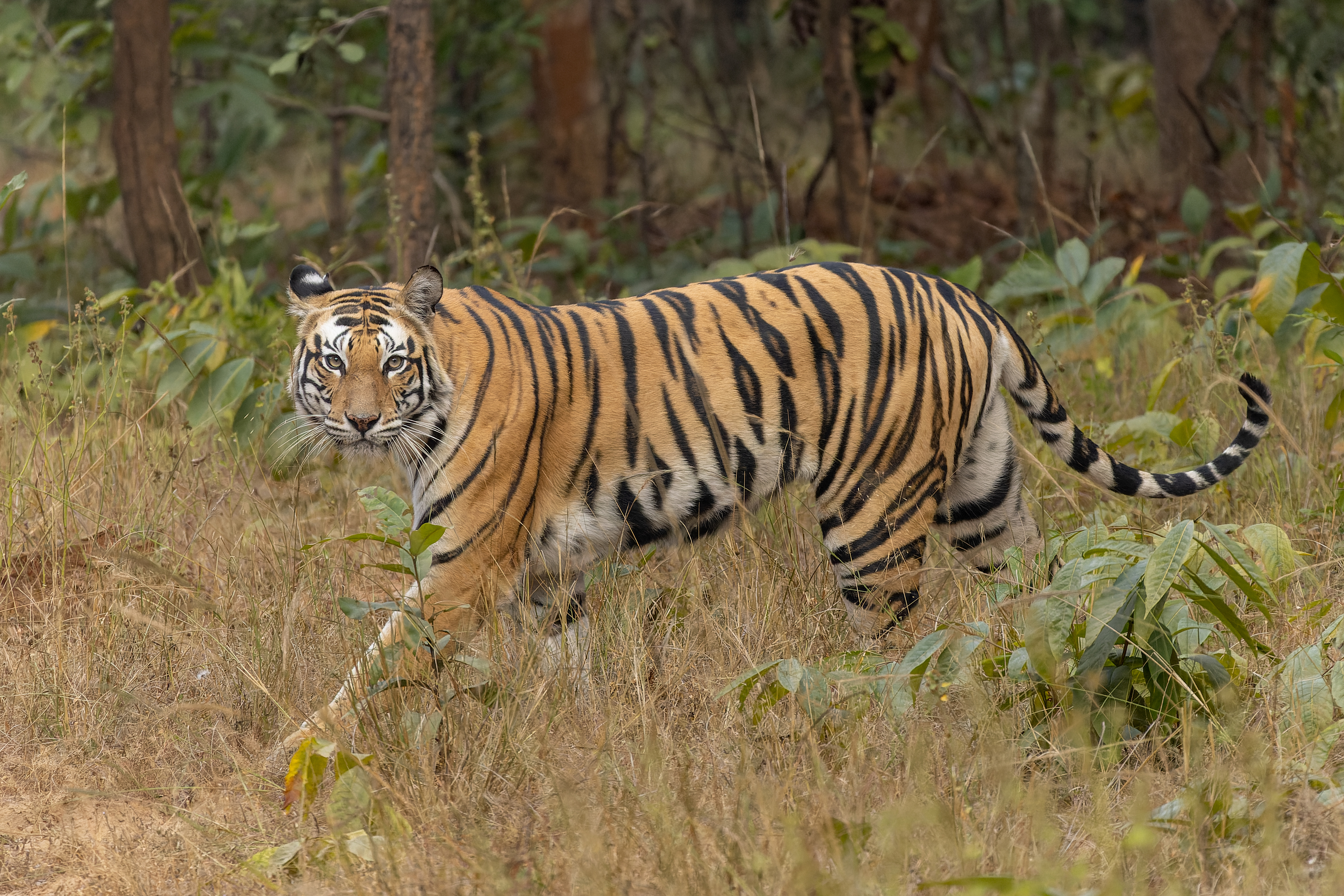
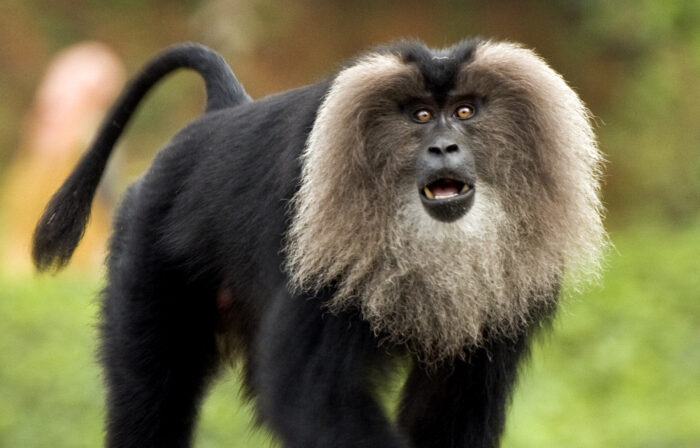
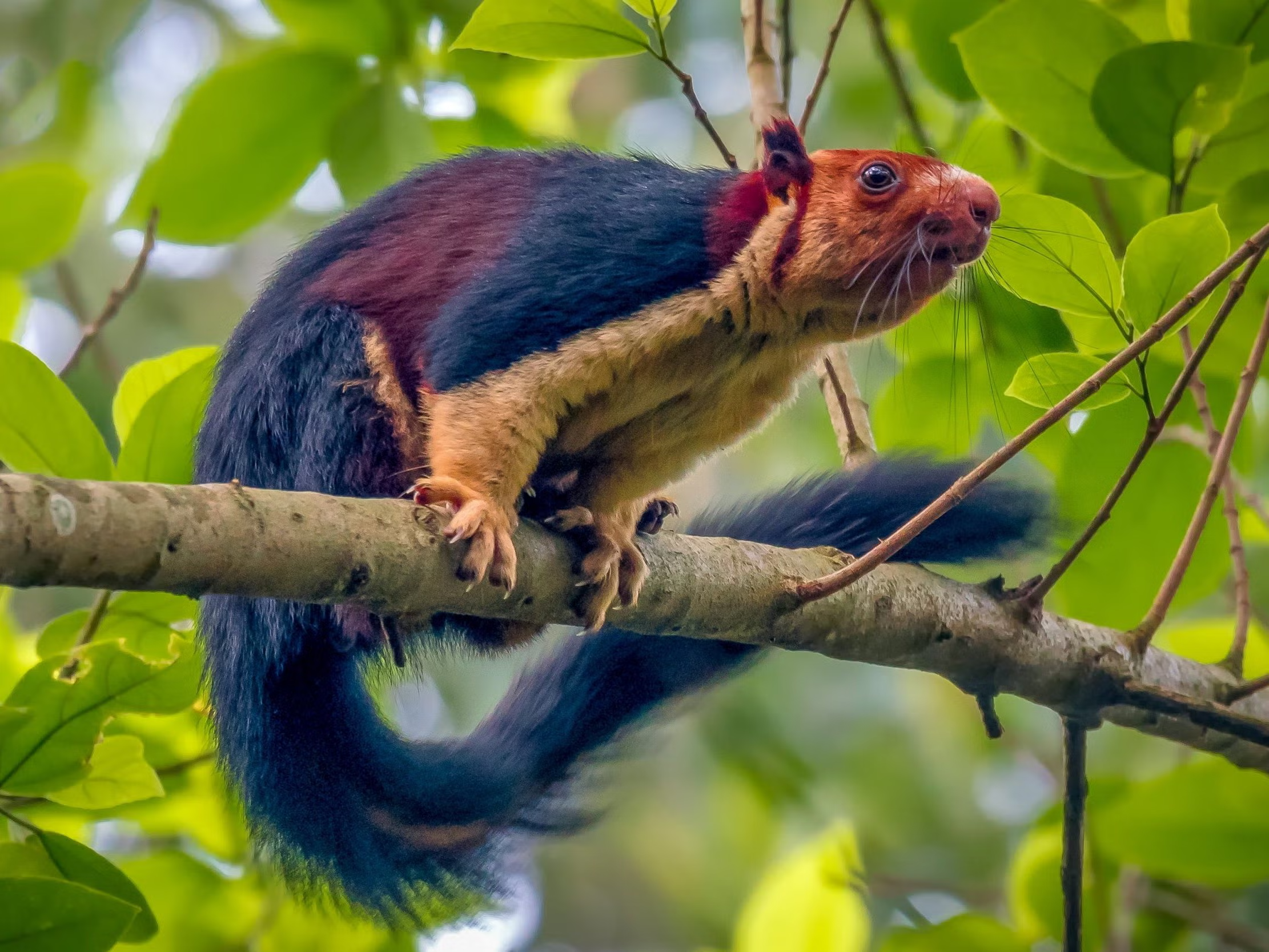
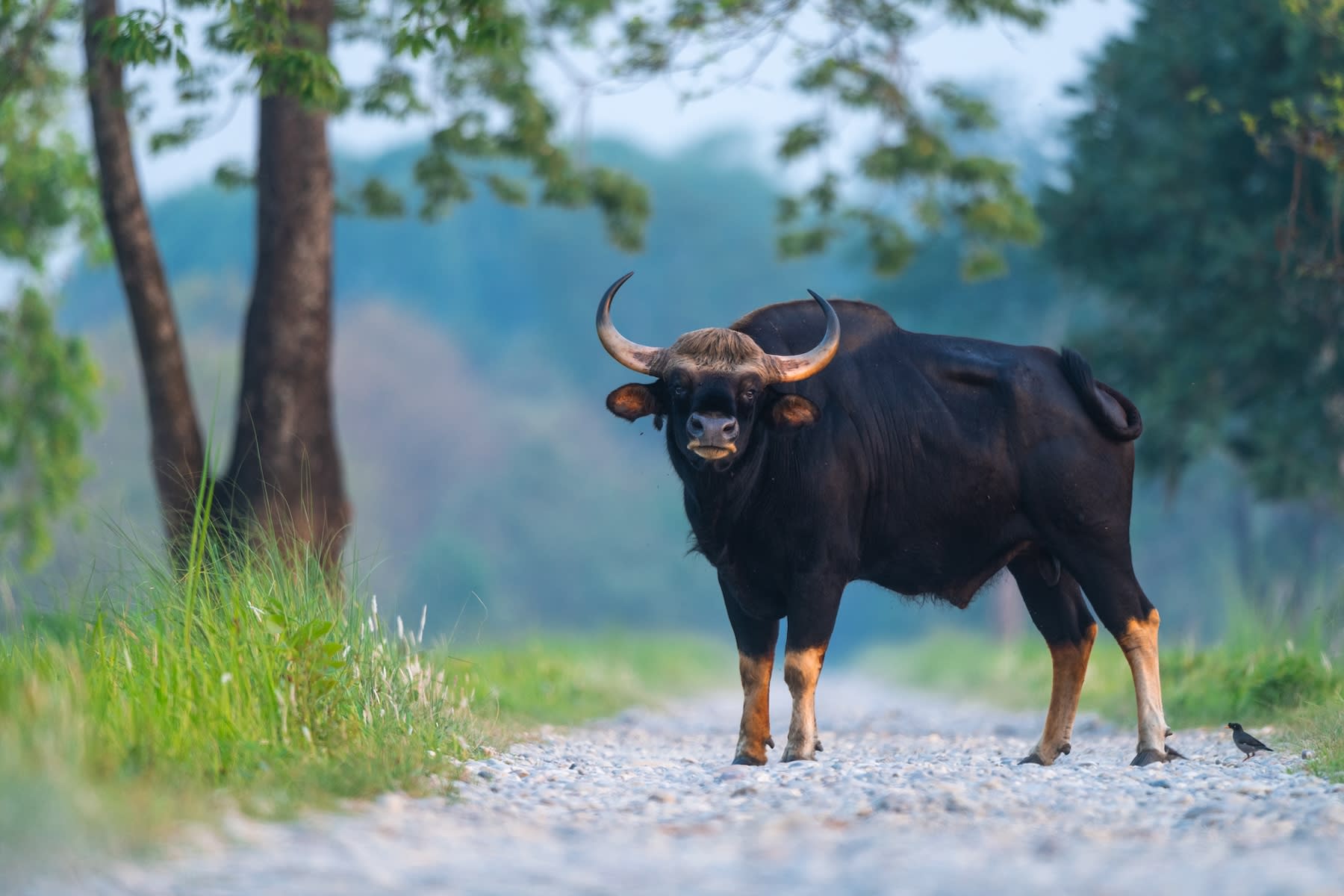
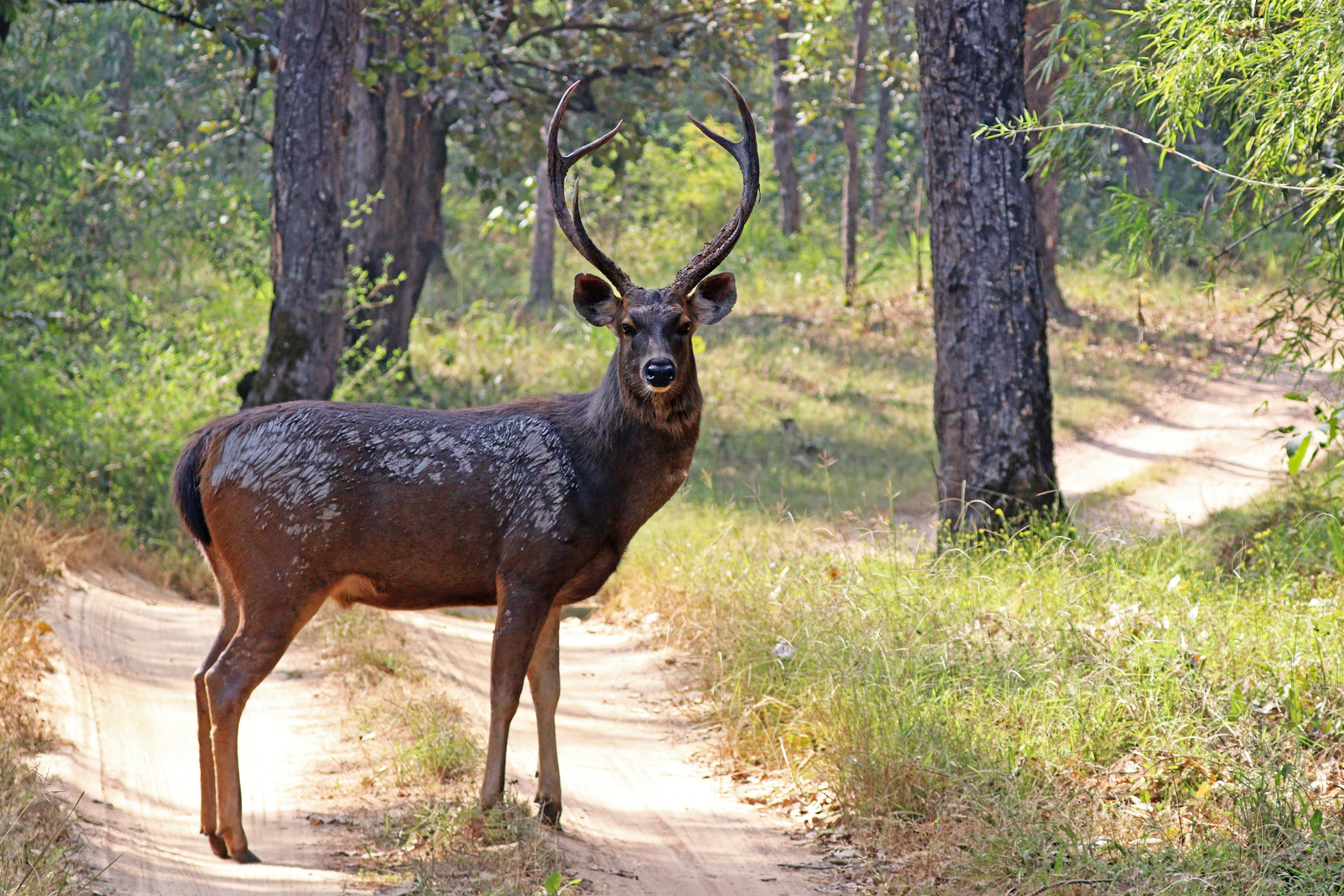
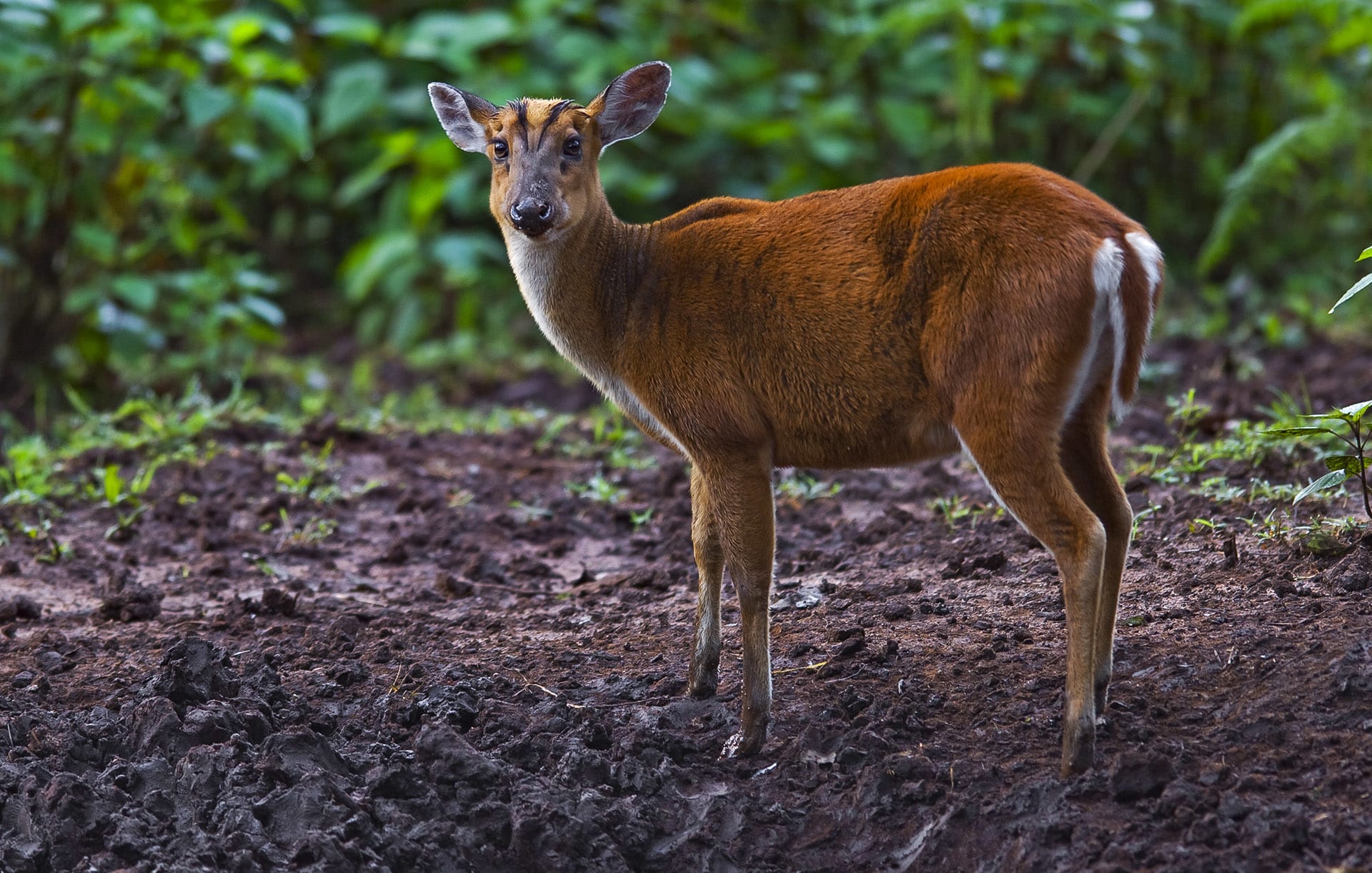
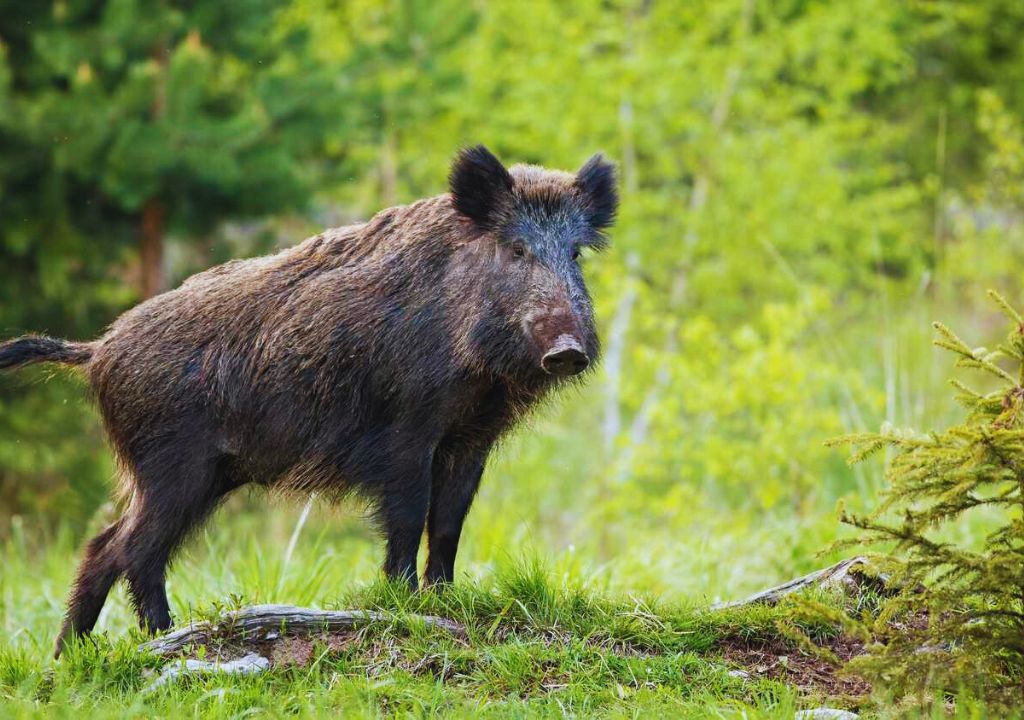
The sanctuary's flagship endemic is the lion-tailed macaque (Macaca silenus, Endangered), a silver-maned, canopy-dwelling primate restricted to the Western Ghats rainforest, and one of the world's rarest macaques. Sharing the canopy is the spectacular Indian (Malabar) giant squirrel (Ratufa indica), its maroon-and-cream coat a flash of colour high among the branches. On the forest floor browse the region's herbivores, the massive gaur (Indian bison), the stately sambar, the small and secretive barking deer (muntjac), and rooting bands of Indian wild boar.
Birds of forest and water
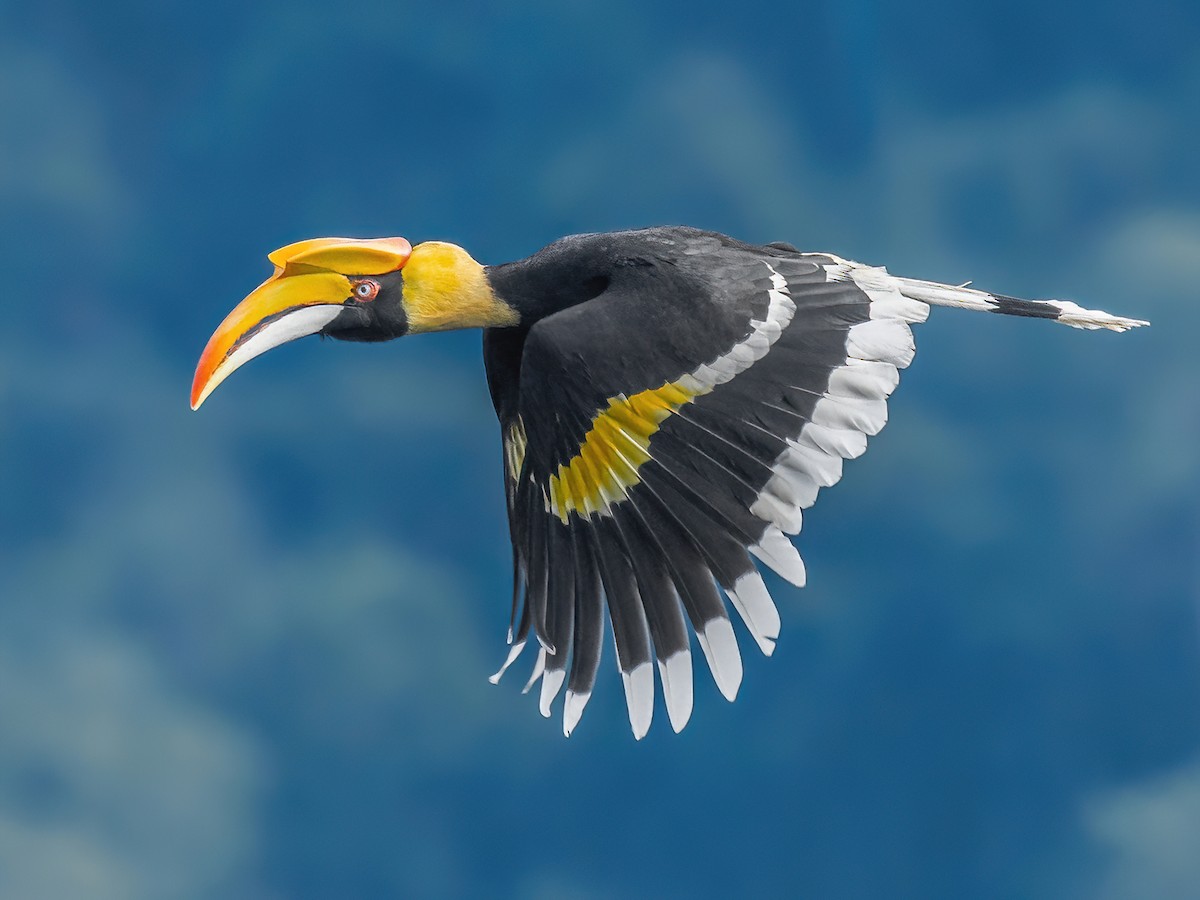
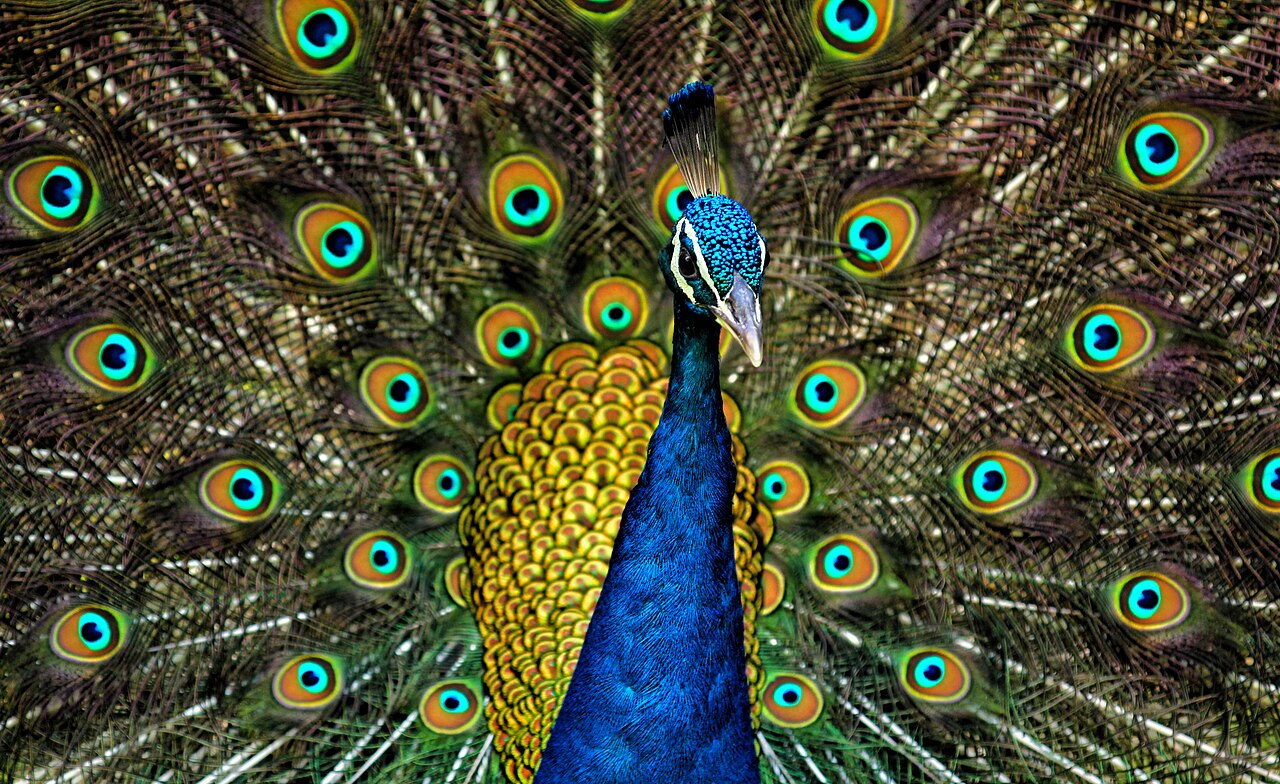
Birdlife is one of the region's glories. In the forest canopy the great prize is the Great Indian hornbill (Buceros bicornis, Vulnerable) with its golden casque, alongside the endemic Malabar grey hornbill, both vital seed-dispersers of the rainforest. Grey junglefowl, the Indian peafowl, sunbirds and drongos fill the lower storeys.
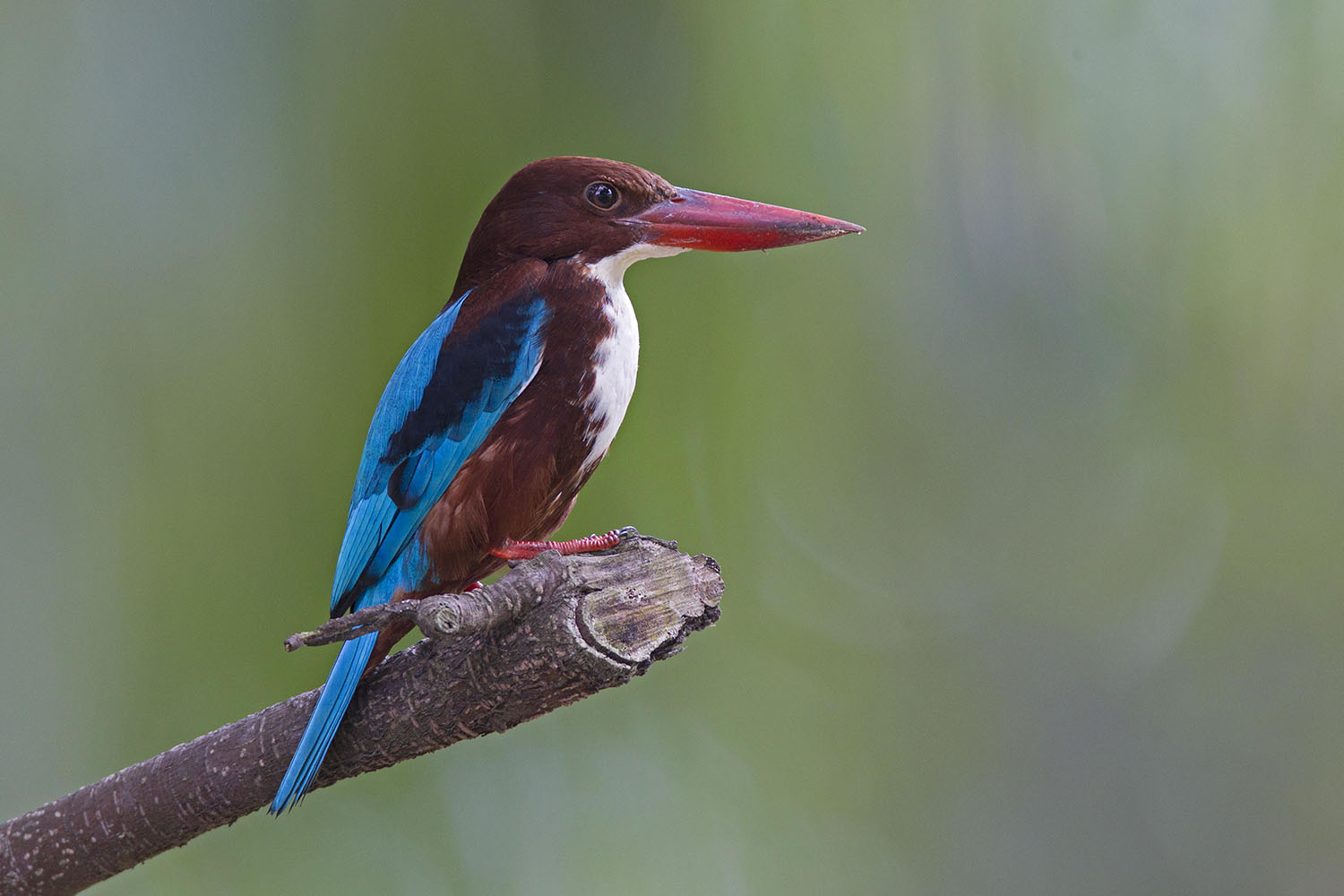
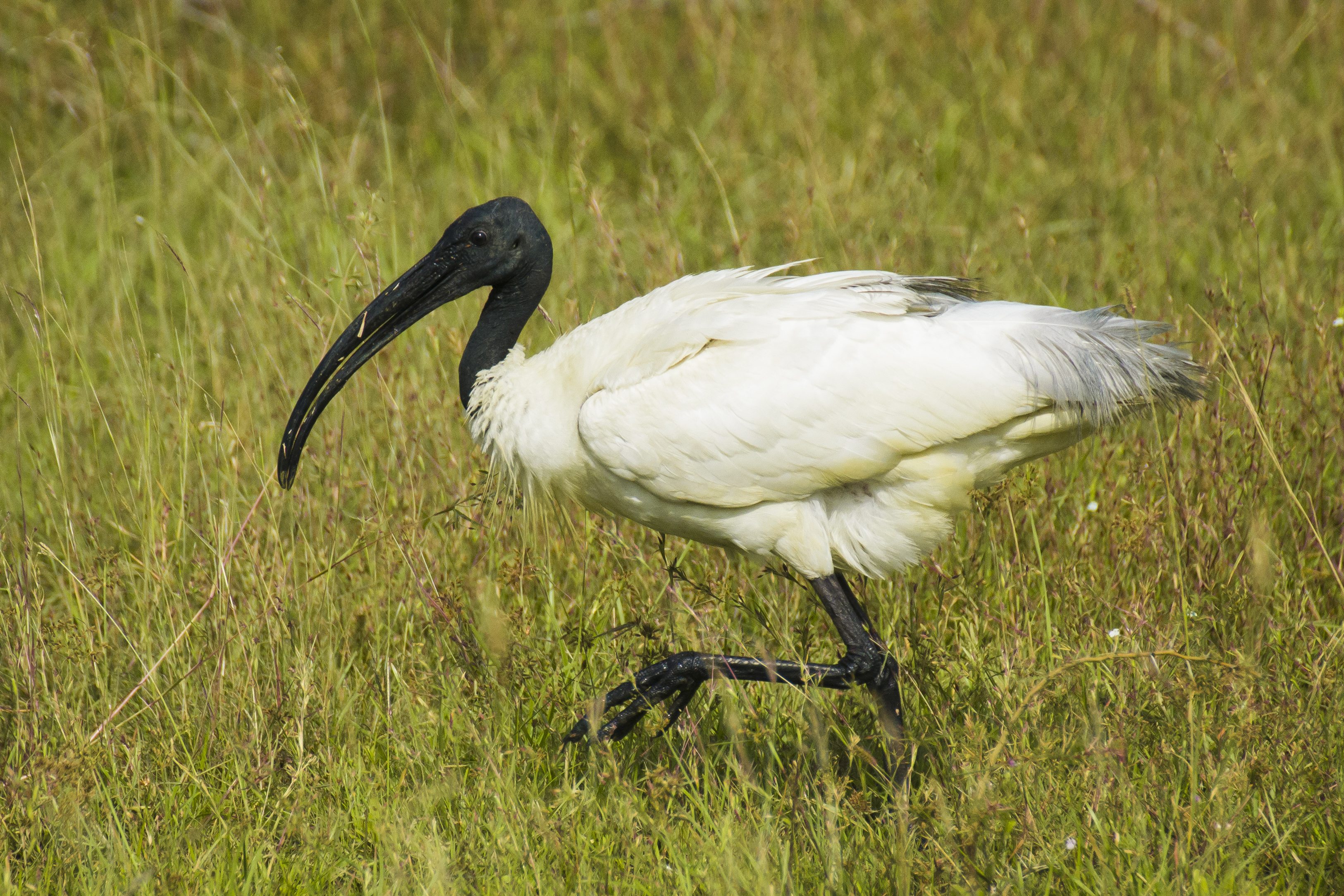
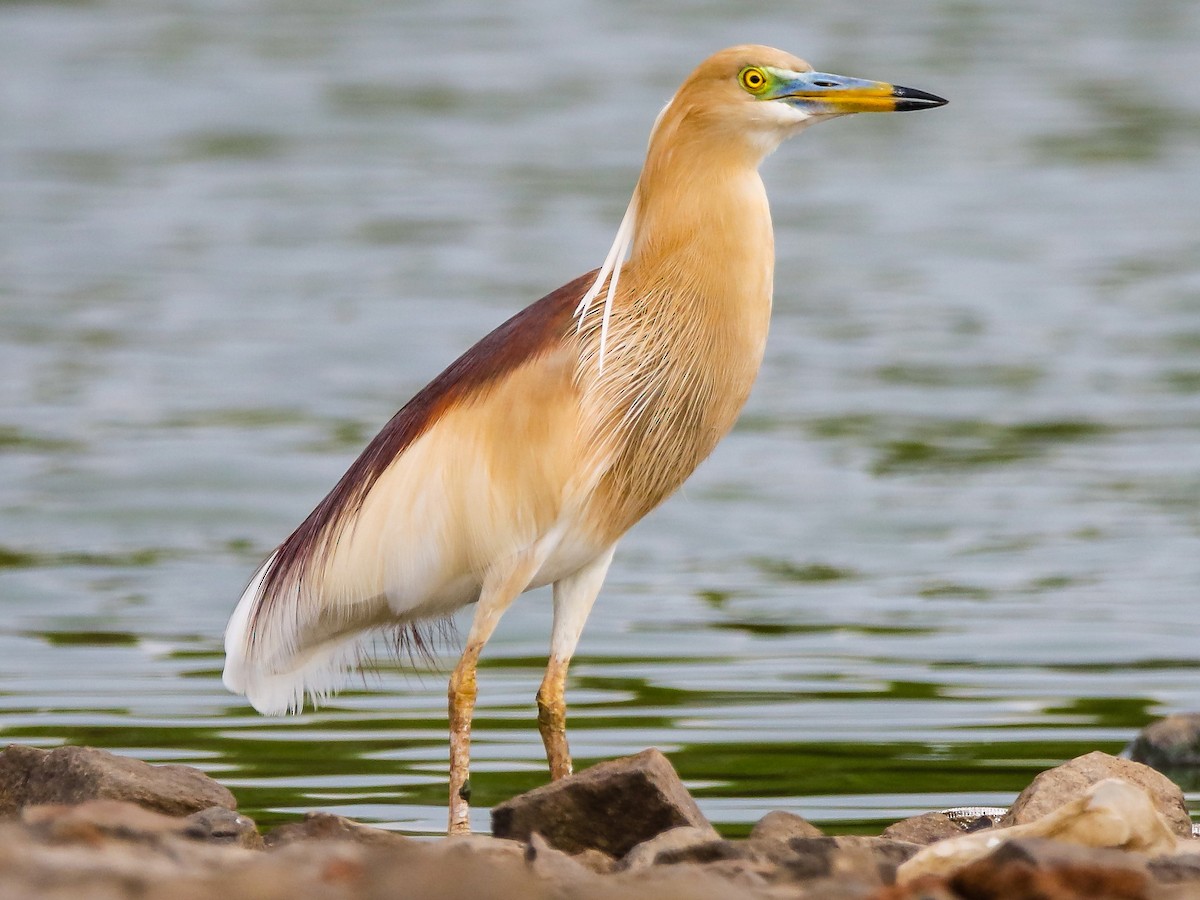
Down in the estuary, paddy wetlands and tidal flats, a different cast gathers. A single mangrove survey logged 79 bird species across 36 families, egrets, herons, cormorants, storks, ibis, bee-eaters and kingfishers. The jewel-blue white-throated kingfisher is a constant of the backwaters; the black-headed ibis probes the mudflats; and the Indian pond heron waits, drab and patient, at every paddy edge before exploding into white flight.
Reptiles & amphibians
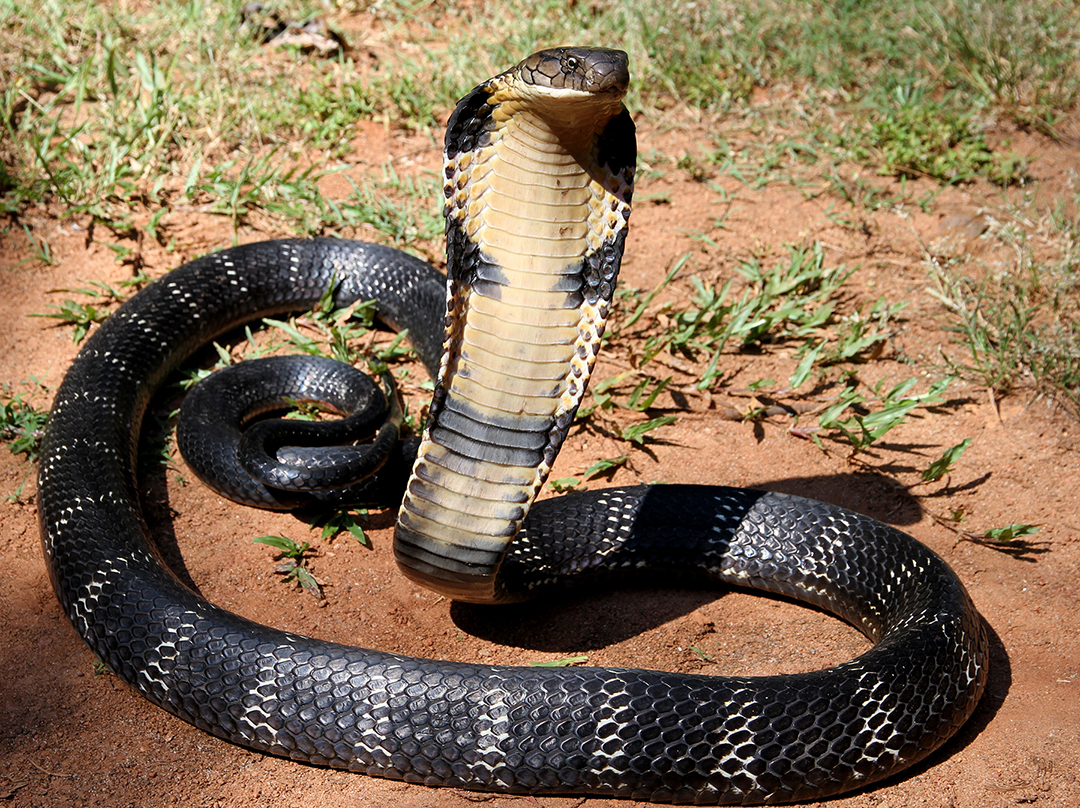
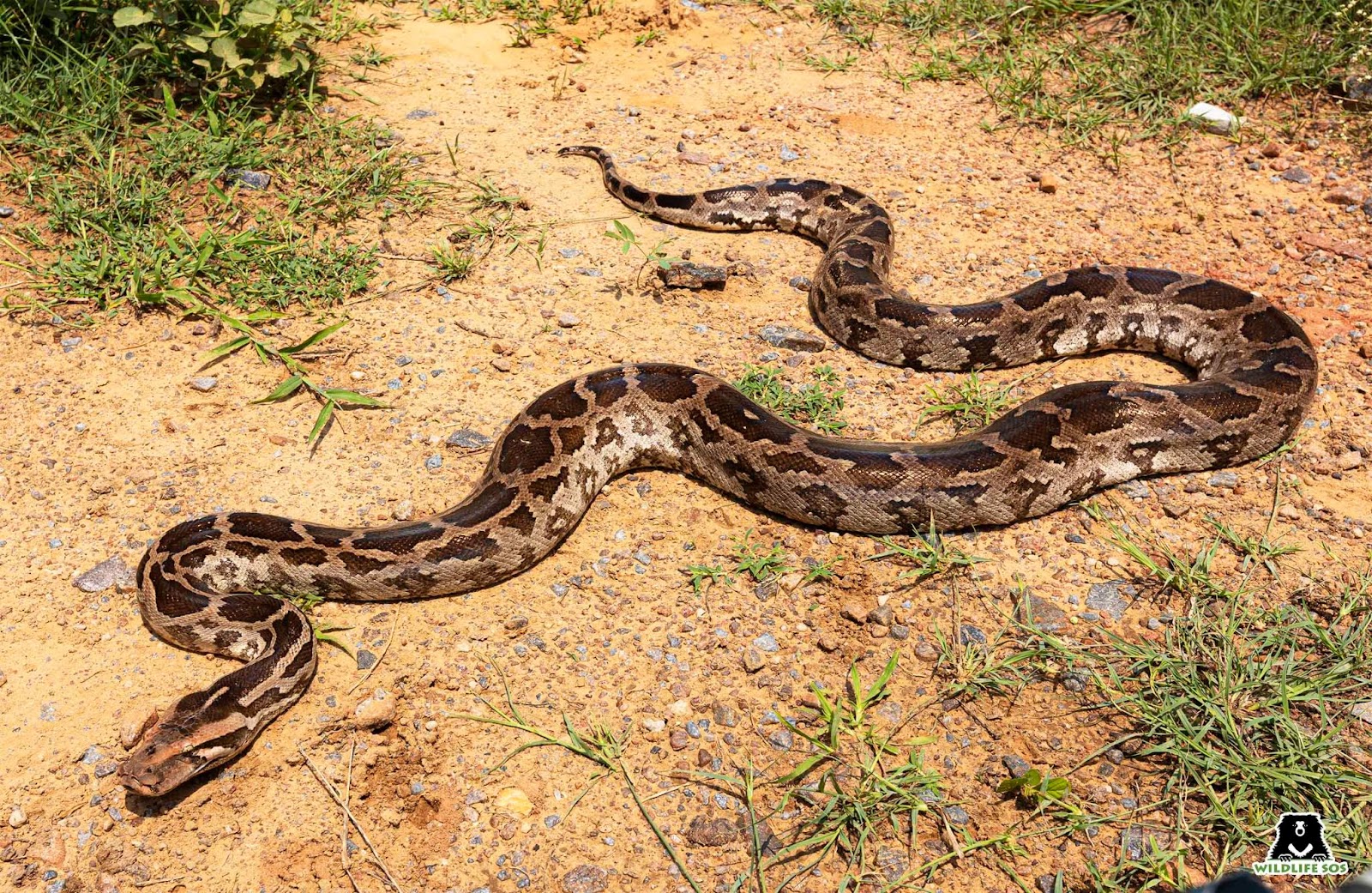
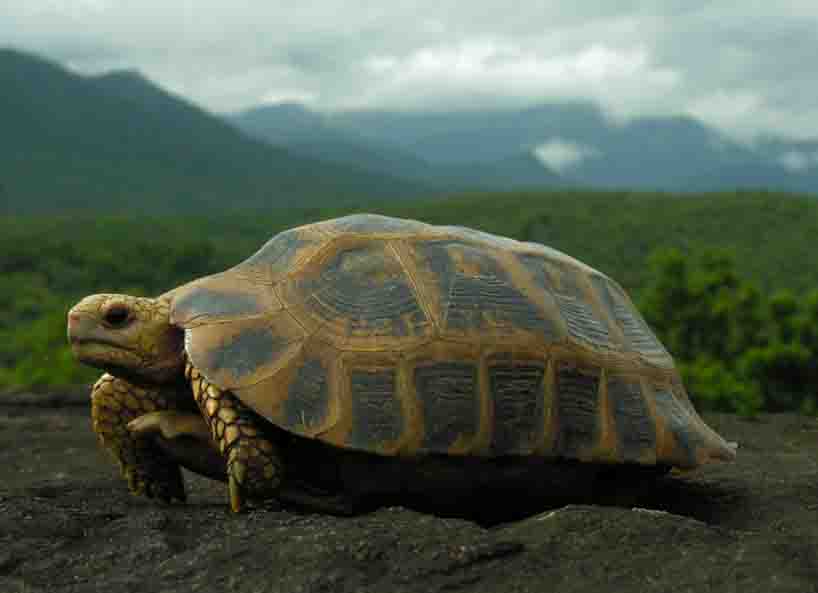
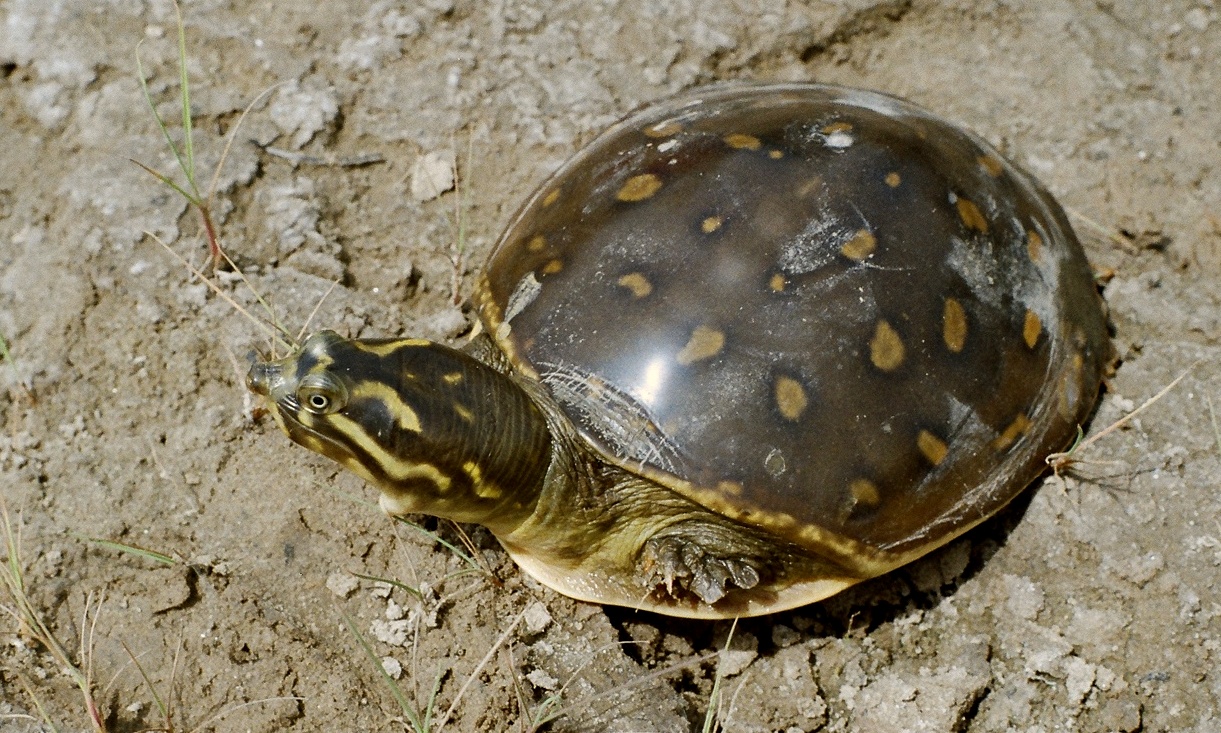
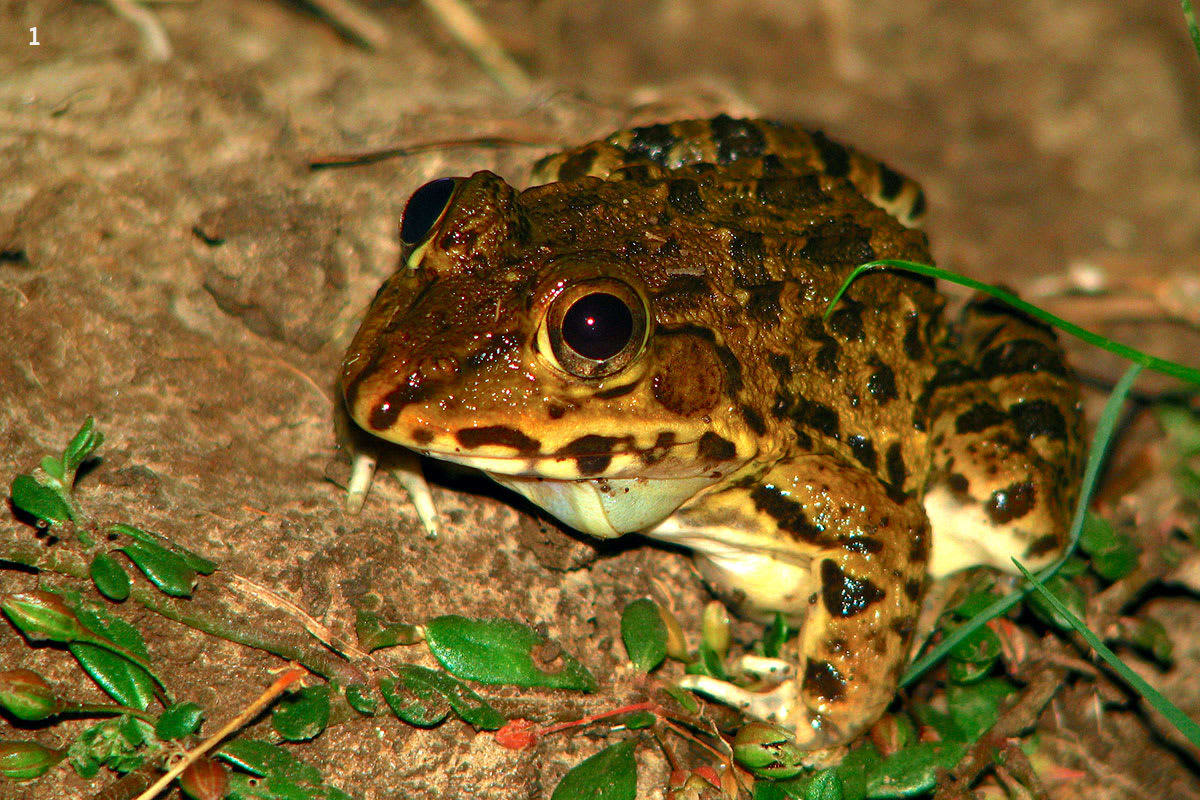
The Ghats are a global centre for reptile and amphibian diversity. Presiding over the forest floor is the king cobra (Ophiophagus hannah, Vulnerable), the world's longest venomous snake and a powerful figure in coastal folklore. The heavy-bodied Indian rock python hunts by ambush, while the Indian flapshell turtle and the hill-dwelling Travancore tortoise represent the region's chelonians. After the first monsoon showers the forest erupts with frog-song, the booming Indian bullfrog is the loudest of many, including endemic Western Ghats species like the purple frog and the caecilians.
The estuary & mangroves
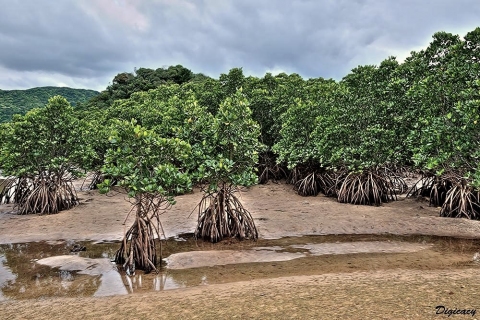
Where the Panchagangavalli meets the tide, the rivers spread into mangrove forest and mudflat, among the largest such systems in Karnataka, with roughly 250 hectares protected in the Kundapura Forest Division. At least nine true mangrove species grow here; the stilt-rooted Rhizophora mucronata is the classic pioneer, trapping silt, stabilising the banks and forming the green wall that buffers the coast against storm and erosion.
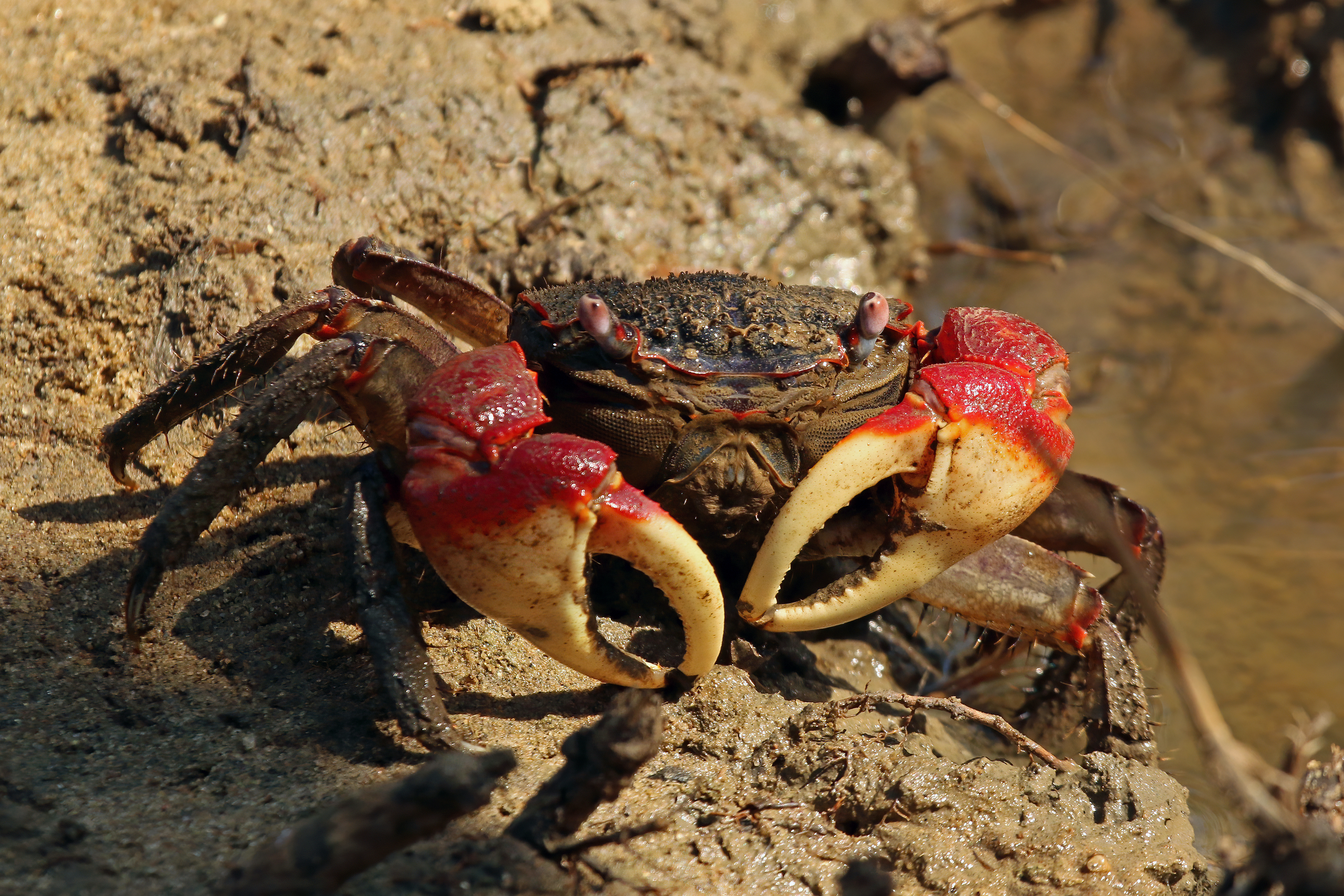
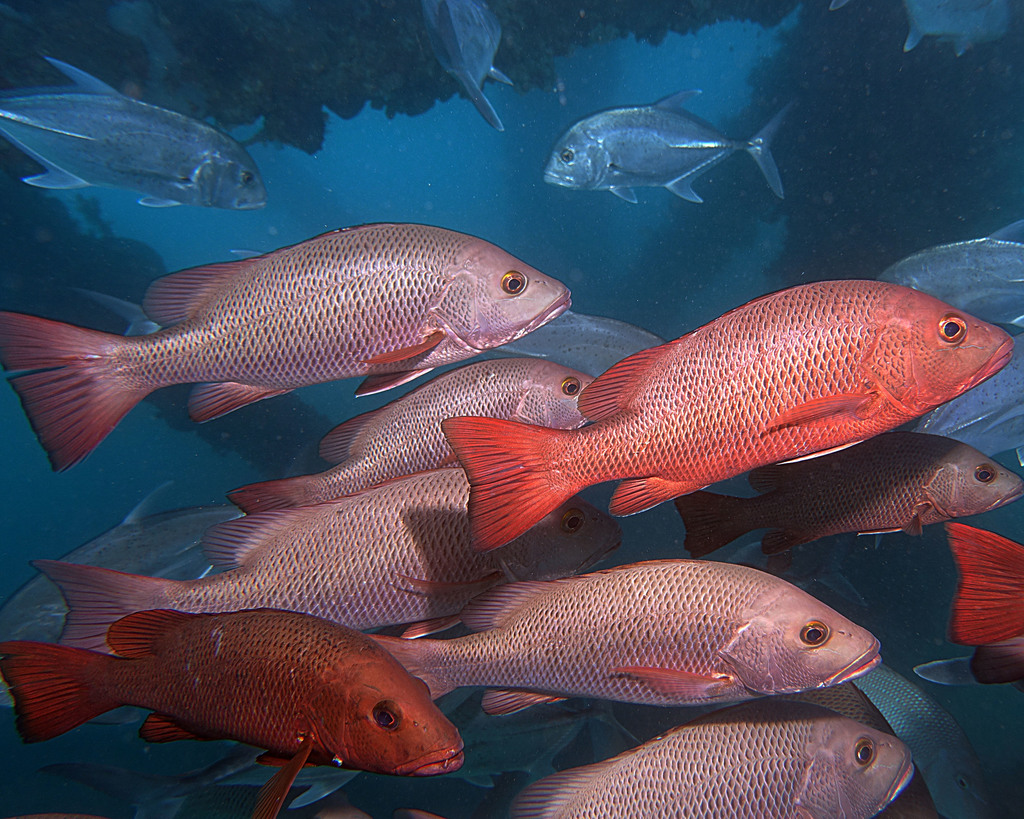
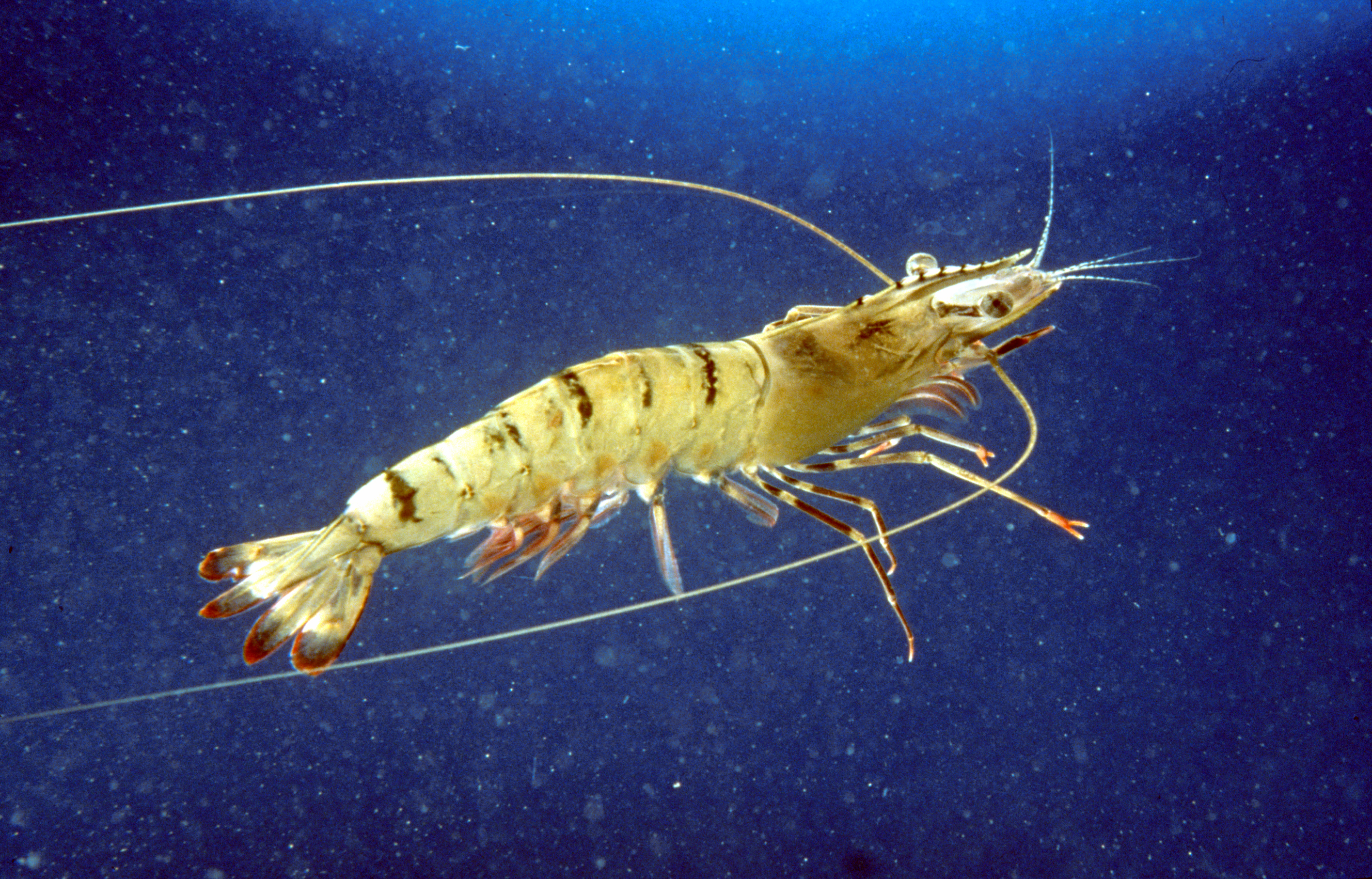
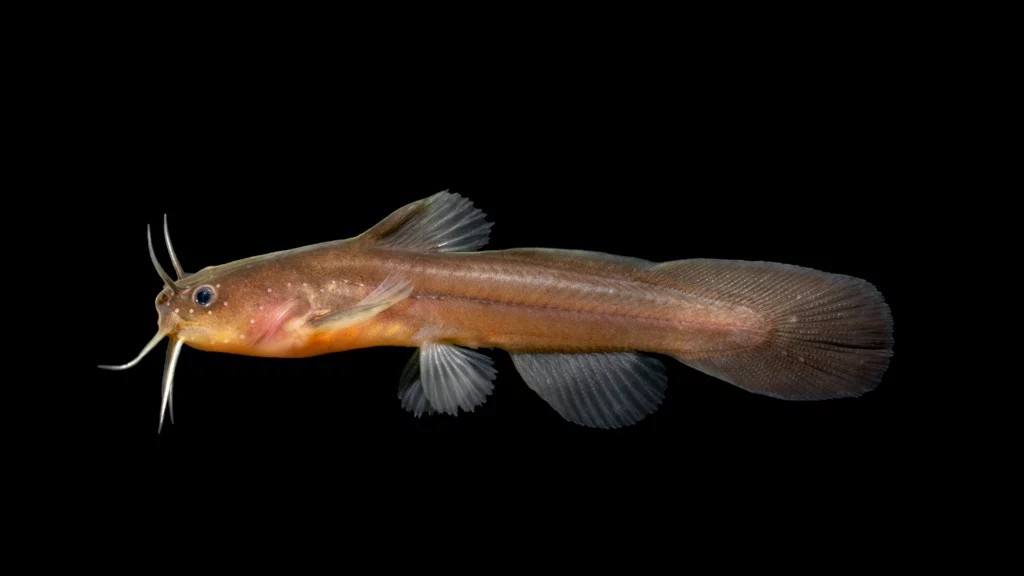
These "living shorelines" are nurseries. Brackish channels and tangled roots shelter the juveniles of the fish and shellfish that sustain Kundapura's fishing economy and define its cuisine, the mangrove red snapper, freshwater and estuarine catfish, the prized tiger prawn, mud crabs, clams and the pearl spot. For generations, women harvested clams by hand on these mudflats at low tide, a tradition now in steep decline, a quiet signal of estuarine stress.
Forest flora, trees & flowers
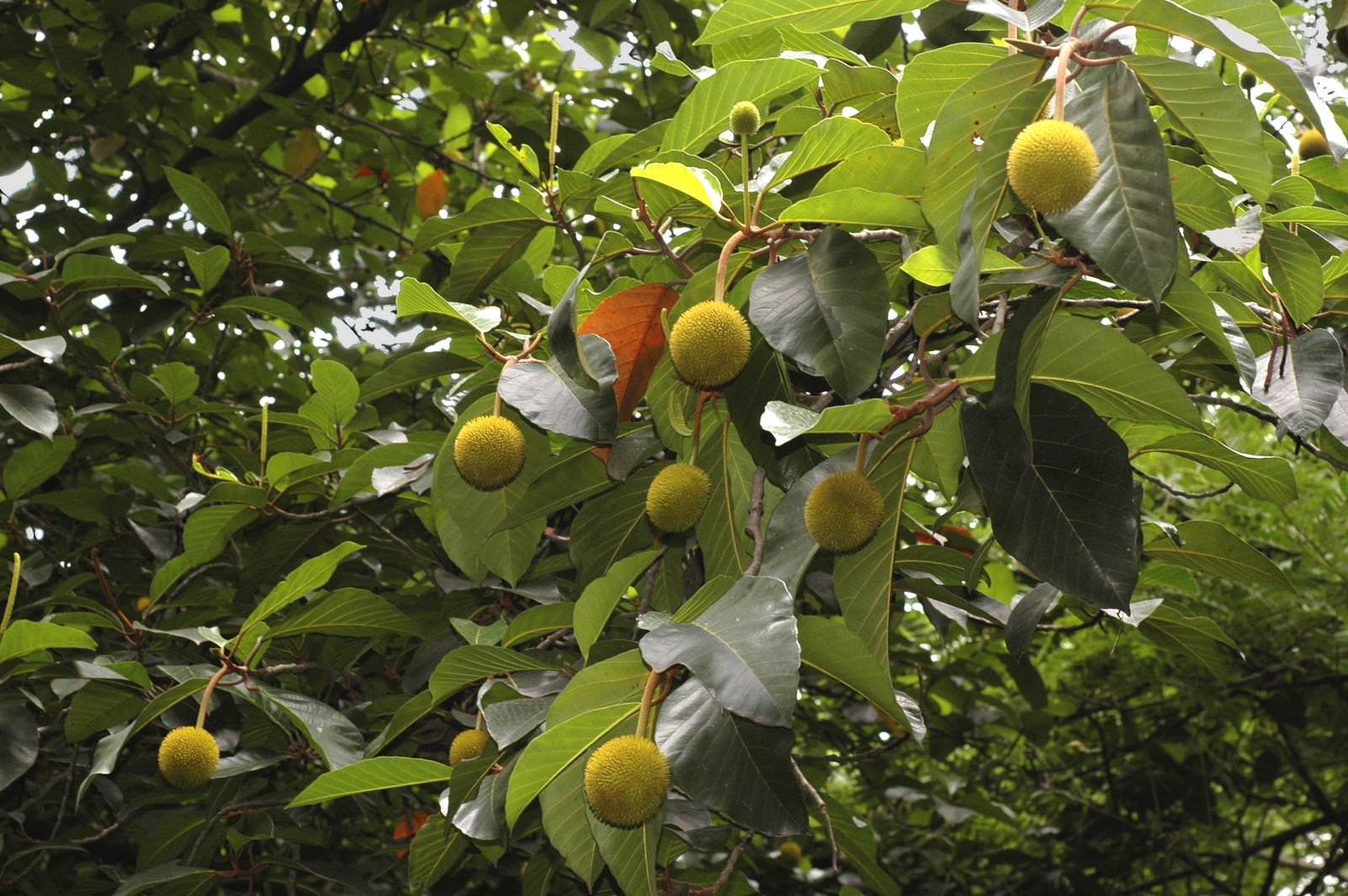
The evergreen forests yield a wealth of indigenous trees. The wild jack (Artocarpus hirsutus, locally hebbalasu) and the Indian kino (Pterocarpus marsupium, honne) are prized timber and medicinal species, while the jamun or nerale (Syzygium cumini) drops its purple-black fruit each monsoon. Flowering trees scent the air, the fragrant golden-orange sampige (Magnolia champaca) and the white-and-coral parijata (night-flowering jasmine), both woven into local ritual and garden life.
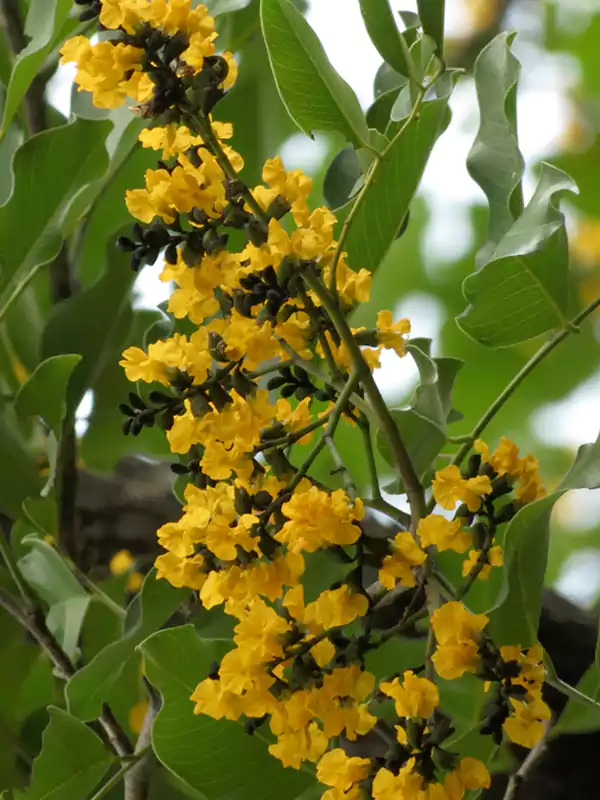
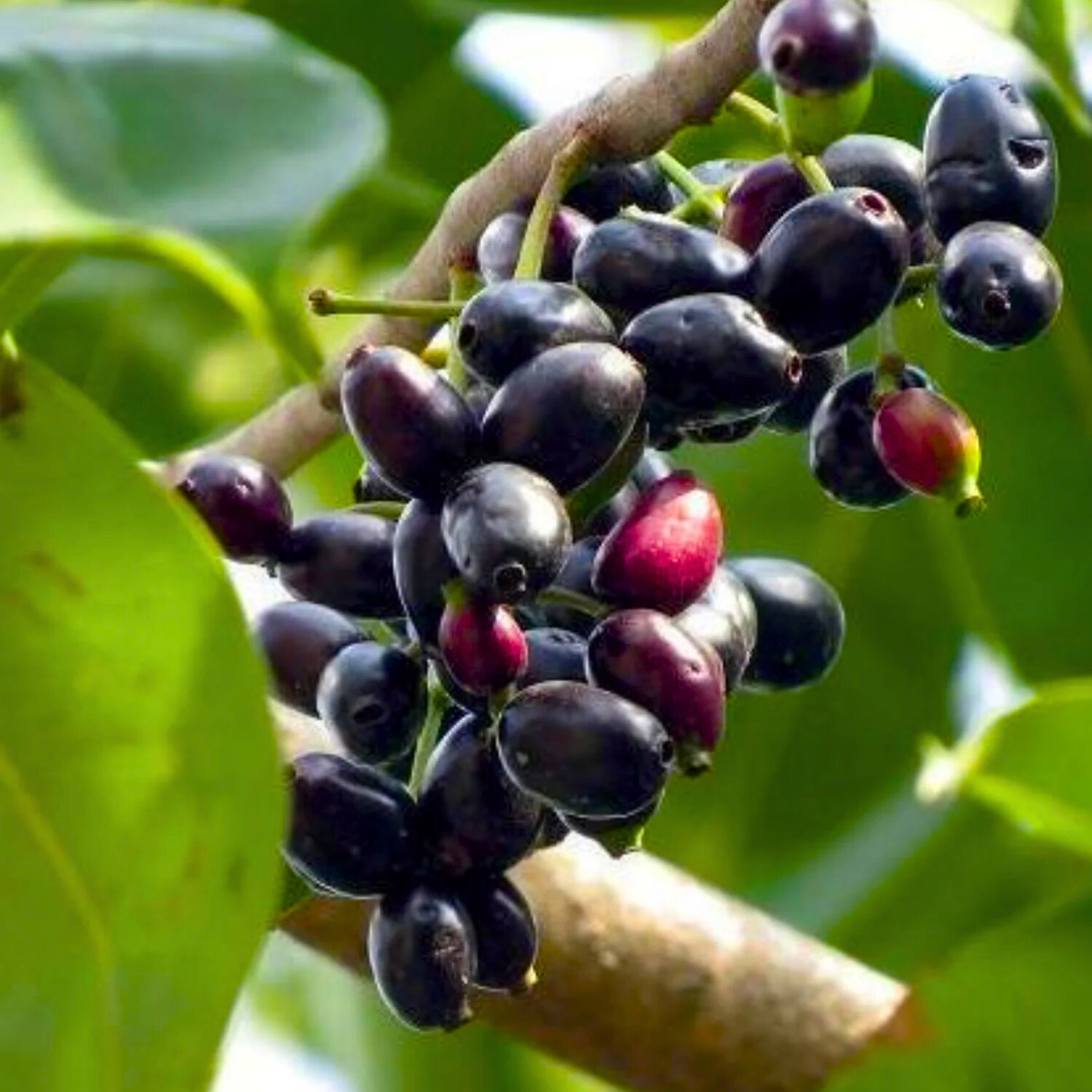
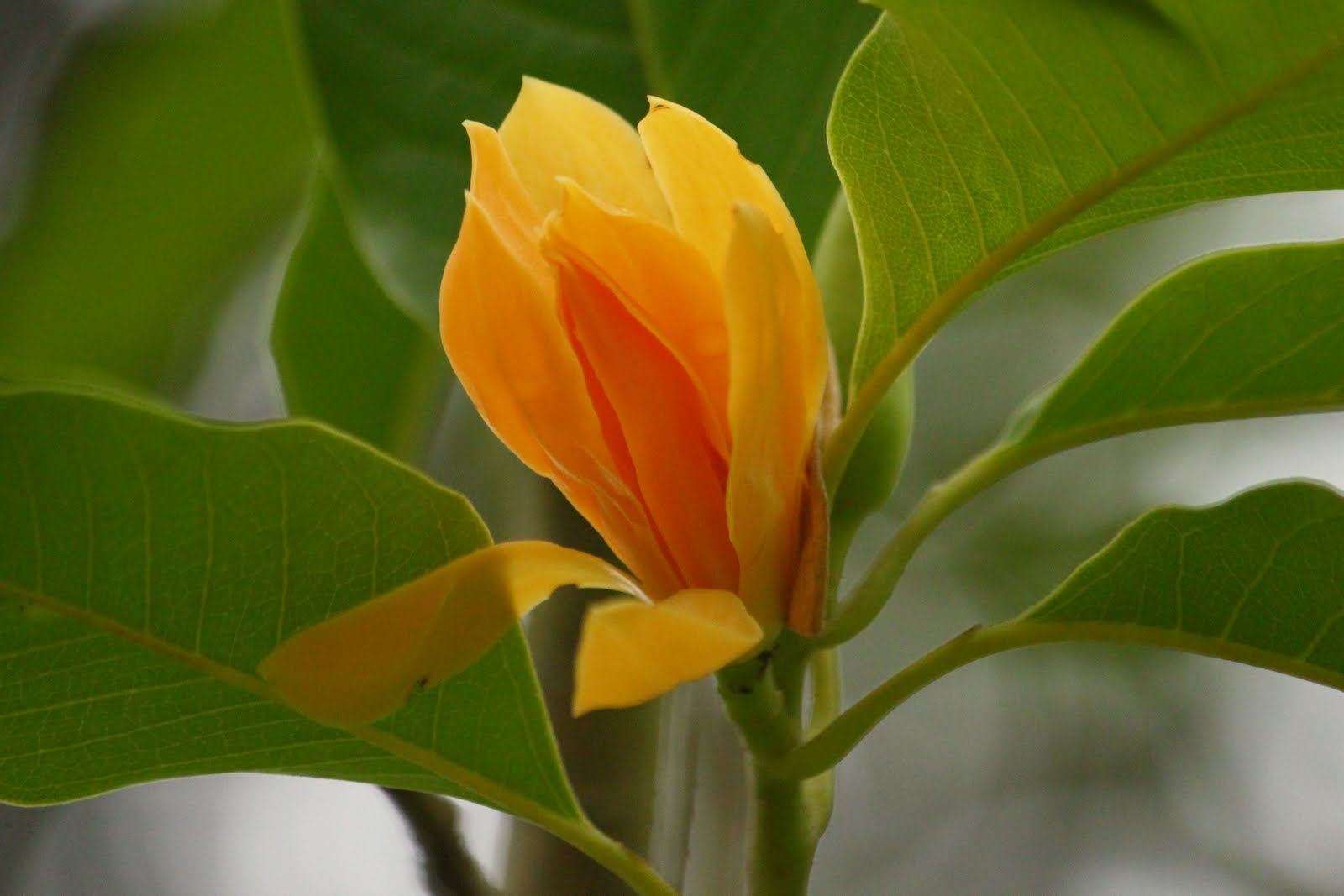
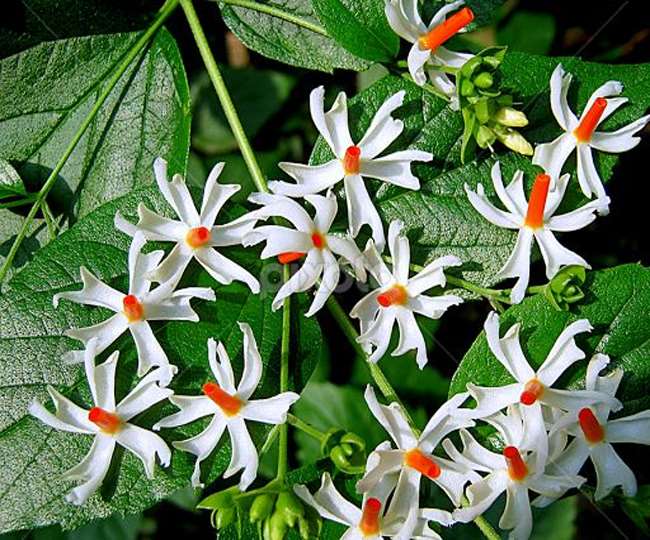
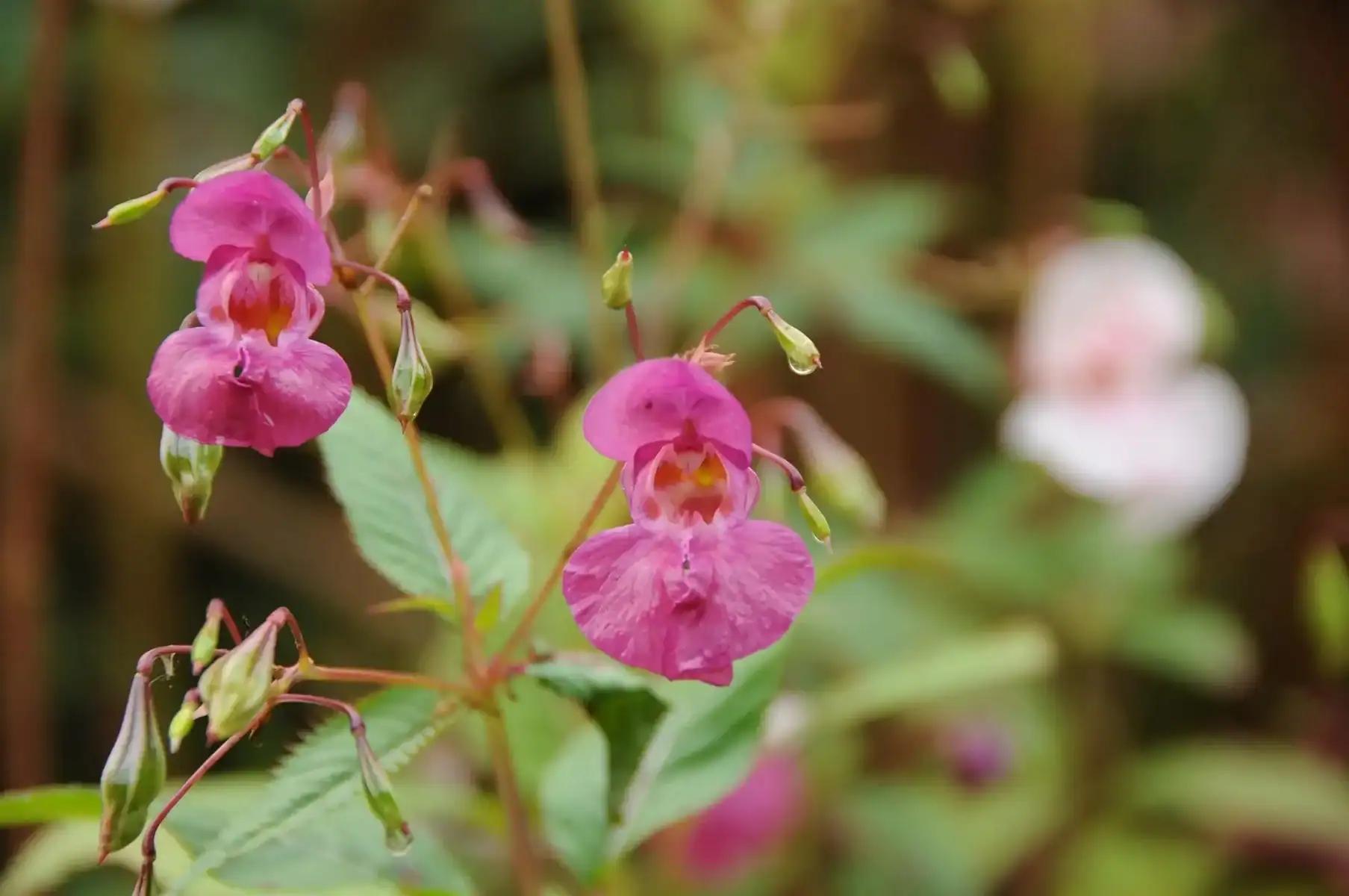
In gardens and forest edges the hardy ixora (locally kepula) blazes in clusters of red and orange through much of the year, a familiar splash of colour and a magnet for butterflies and sunbirds across the Western Ghats, which alone hold some 170 endemic butterfly species.
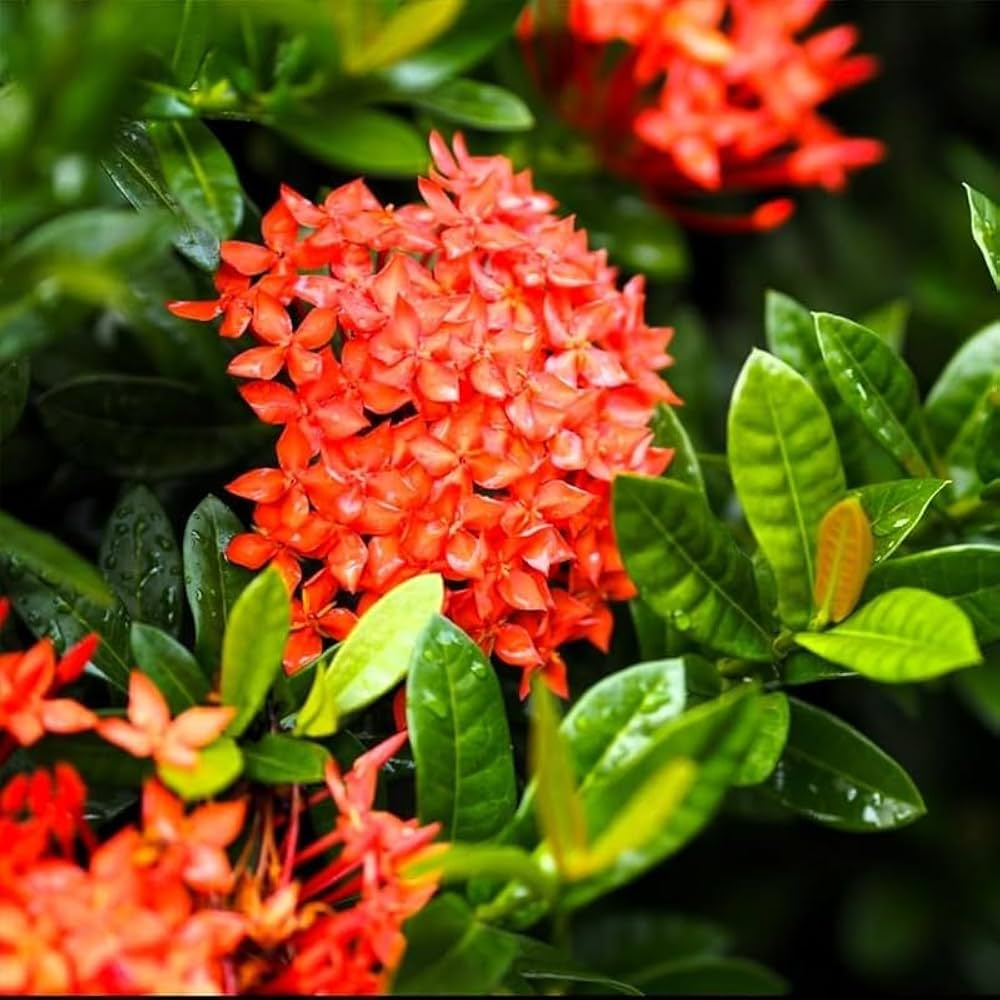 Ixora · kepula
Mookambika Wildlife Sanctuary
The ecological core of the region is the Mookambika Wildlife Sanctuary, about 370 km² of Western Ghats forest spanning the Kundapura–Kollur uplands, expanded to its present size in 2011 and managed as an IUCN Category IV reserve. It protects critical catchment for the Souparnika and Chakra rivers and a near-complete community of Ghats wildlife: tigers, leopards, dhole, sloth bear, gaur, sambar, lion-tailed macaque, hornbills and the king cobra. A draft eco-sensitive zone around the sanctuary adds a buffer against encroaching development.
A hotspot within a hotspot
The Western Ghats overall hold more than 325 globally threatened species. Kundapura's protected forests, at the northern edge of the Agumbe–Kodachadri key biodiversity area, host dozens of them, from tigers and lion-tailed macaques to Great hornbills and narrow-range endemic frogs, lichens and freshwater crabs.
Select species & their status
A sample of notable species recorded in or around Kundapura habitats, with global IUCN Red List status:
| Species | Scientific name | IUCN status | Habitat |
|---|---|---|---|
| Tiger | Panthera tigris | Endangered | Tropical evergreen forest |
| Lion-tailed macaque | Macaca silenus | Endangered | Ghats evergreen canopy |
| Leopard | Panthera pardus | Vulnerable | Forest & forest edge |
| Dhole (wild dog) | Cuon alpinus | Endangered | Forest |
| Gaur (Indian bison) | Bos gaurus | Vulnerable | Forests & grasslands |
| Sloth bear | Melursus ursinus | Vulnerable | Forest undergrowth |
| Great Indian hornbill | Buceros bicornis | Vulnerable | Forest canopy |
| Malabar grey hornbill | Ocyceros griseus | Near Threatened | Forests & plantations |
| King cobra | Ophiophagus hannah | Vulnerable | Forest & riverine areas |
| Pearl spot | Etroplus suratensis | Near Threatened | Brackish estuary |
Pressures & threats
For all its richness, the system is under stress. Dams and hydropower on the Varahi (the Mani Dam) and Chakra have altered natural flows, submerged forest valleys and interrupted fish migration. Unregulated sand mining scours riverbeds and spawning grounds, illegal mining licences were suspended in five Kundapura villages following National Green Tribunal intervention. Agricultural runoff, sewage and plastic degrade water quality, with the sacred Souparnika reported choked by waste in places, while over-extraction of groundwater drives post-monsoon saltwater intrusion into the estuary.
Looming over all of this is climate change: a coastal-vulnerability study found that some 59% of the Udupi coastline is at very high risk from sea-level rise, threatening the very mangroves and estuaries that protect it. The collapse of the traditional bivalve harvest, from hundreds of women gathering clams two decades ago to a mere handful today, is an early warning written in the mud.
Conservation & the way forward
There are real grounds for hope. The Mookambika Wildlife Sanctuary gives core legal protection to the uplands and their wildlife under India's Wildlife Protection Act. The Karnataka Forest Department, working with local communities, planted some 250 hectares of mangroves between 2018 and 2023, and Village Forest Committees and fisher cooperatives are increasingly part of management. Conservationists now press for integrated river-basin planning, stricter enforcement against sand mining and pollution, regular water-quality and biodiversity monitoring, and community-led restoration, so that the region's confluence of five rivers and rich Ghats forests can be conserved as a living whole.
See also
References & notes
- Compiled report: "Kundapura Taluk, Rivers, Forests & Biodiversity: hydrology, ecology, impacts and governance" (executive summary & species accounts).
- Mookambika Wildlife Sanctuary records (≈370 km², expanded 2011); IUCN Red List global status for cited species.
- Mangrove avifaunal survey, Kundapura (79 species / 36 families, 2010–2013); Kundapura Forest Division mangrove afforestation (≈250 ha, 2018–2023).
- Coastal vulnerability assessment of the Udupi coast (sea-level-rise risk); estuarine bivalve-decline studies, Panchagangavalli.
- National Green Tribunal action on illegal sand mining, Kundapura taluk; regional water-quality survey (40 sites).
Photographs were contributed by residents and naturalists documenting the region's wildlife, and are used for educational and cultural reference, not for commercial purposes. Some images are representative of the species named rather than photographed within Kundapura itself.