Sacred Temples of Kundapura Taluk
Shrines as old as the harbours, the spiritual heart of coastal Karnataka.
Kundapura Taluk, in the northern part of Udupi district, is one of the most important temple regions of coastal Karnataka. The land is home to ancient shrines dedicated to Shiva, Vishnu, Shakti, Ganapathi and many local manifestations of the divine, which for centuries have served as centres of faith, pilgrimage, culture, education and community life. The temple traditions here represent a unique blend of Vedic worship, Agamic ritual, folk practice and regional custom, from the internationally renowned Kollur Mookambika Temple to the ancient shrines of Koteshwar, Basrur, Gangolli, Kamalashile and Shankaranarayana, each with its own history, legends, architecture and rituals.
The great pilgrimage centres
Three temples of the taluk draw devotees from across South India and have their own detailed articles. Together they show the breadth of the coast's devotion, the Divine Mother at Kollur, the obstacle-remover at Anegudde, and the threefold sacred complex at Maranakatte.
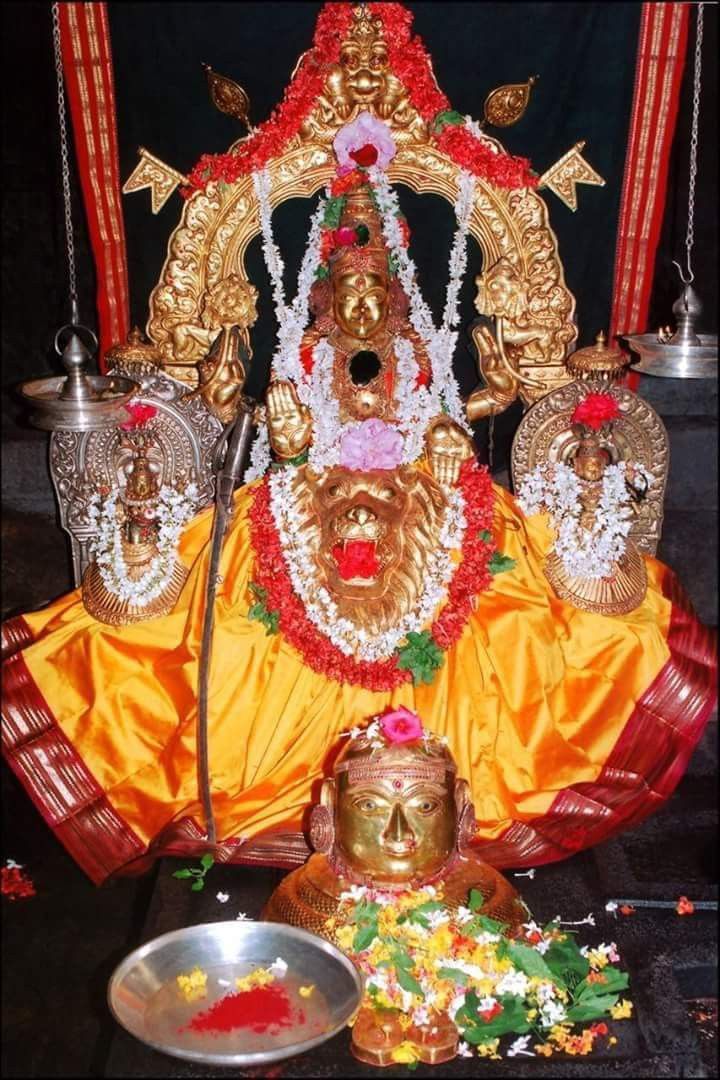
Kollur Mookambika
The combined manifestation of Mahakali, Mahalakshmi and Mahasaraswati, where Adi Shankaracharya is said to have installed the Sri Chakra.
Read the article →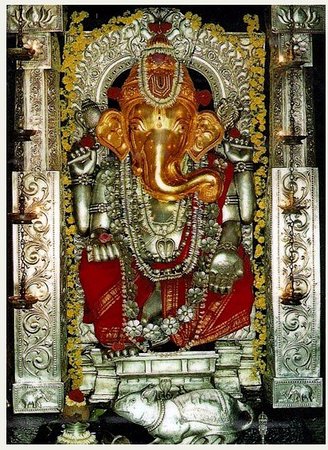
Anegudde Vinayaka
The "Elephant Hill" shrine of the obstacle-remover, counted among the seven Mukti Sthala pilgrimage sites of the coast.
Read the article →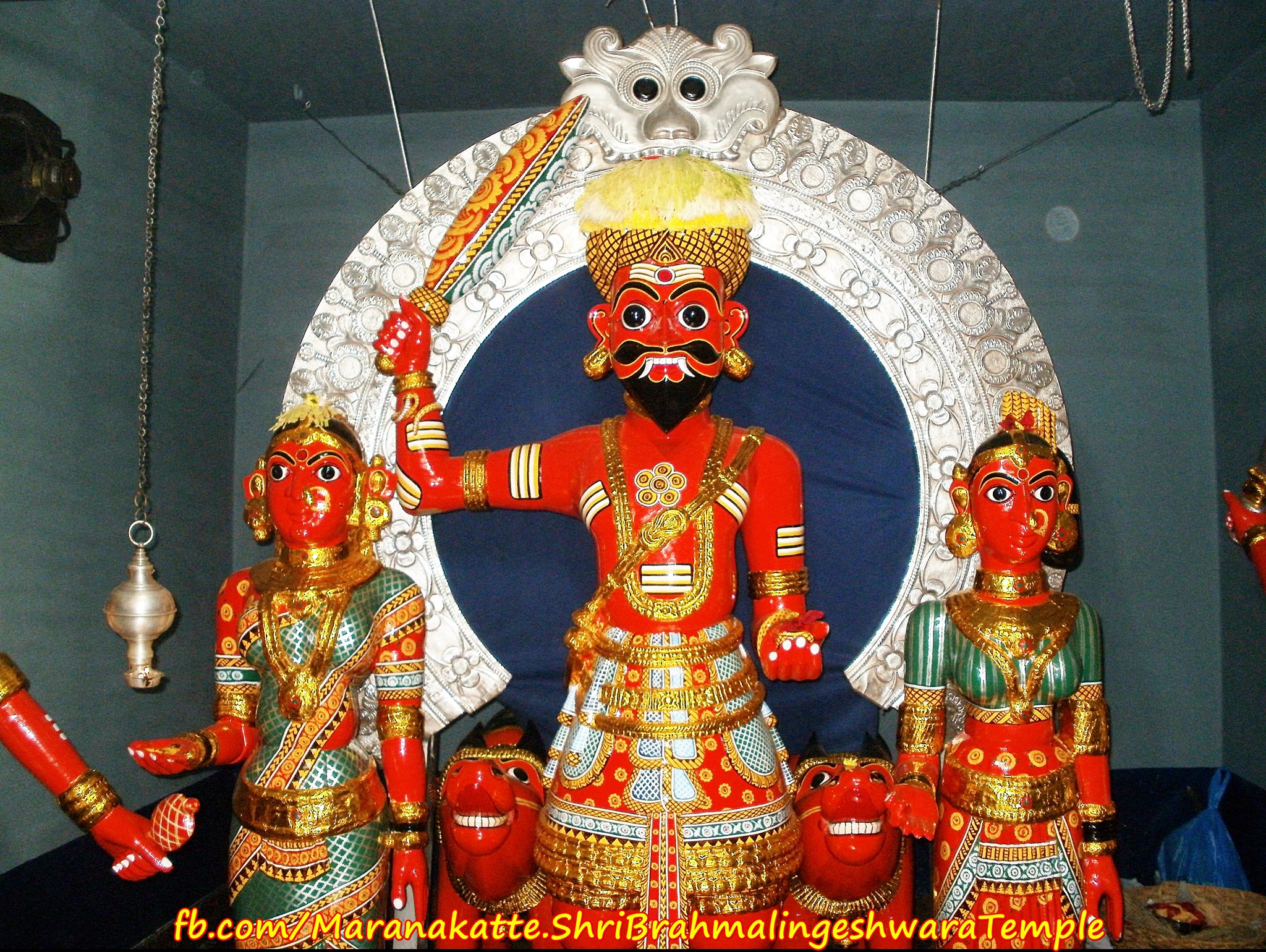
Brahmalingeshwara
An ancient Shaiva shrine on the Souparnika, sharing its sacred landscape with the Janardhana and Brahmi Durgaparameshwari temples.
Read the article →Sri Mookambika Temple, Kollur
Main article: Kollur Mookambika Temple
Among all temples in the taluk, the Sri Mookambika Temple at Kollur occupies the highest position in religious significance, attracting millions of devotees each year. By tradition the demon Mookasura acquired great powers through penance and tyrannised sages and devotees, until the Divine Mother manifested and destroyed him, thereafter worshipped as Mookambika, "destroyer of Mookasura." The temple is associated with Sage Kola Maharshi, before whom the Goddess is said to have appeared and agreed to reside permanently at Kollur. One of its most important traditions holds that Adi Shankaracharya visited and installed the Sri Chakra, elevating Kollur into a foremost Shakti centre. The presiding deity uniquely embodies Mahakali, Mahalakshmi and Mahasaraswati (power, prosperity and wisdom together) and thousands of children are brought here for Vidyarambham, the sacred initiation into learning.
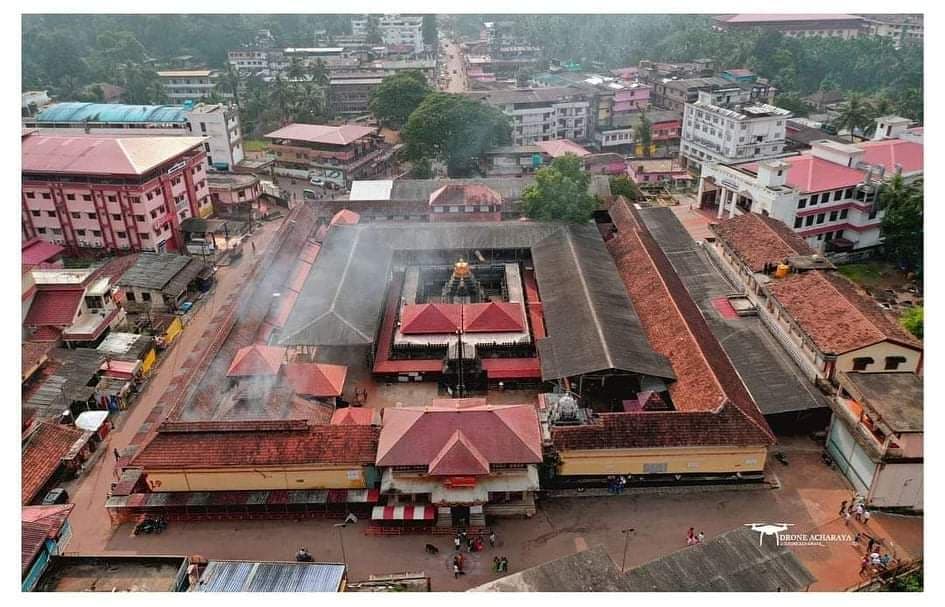 Kollur
Ganapathi temples
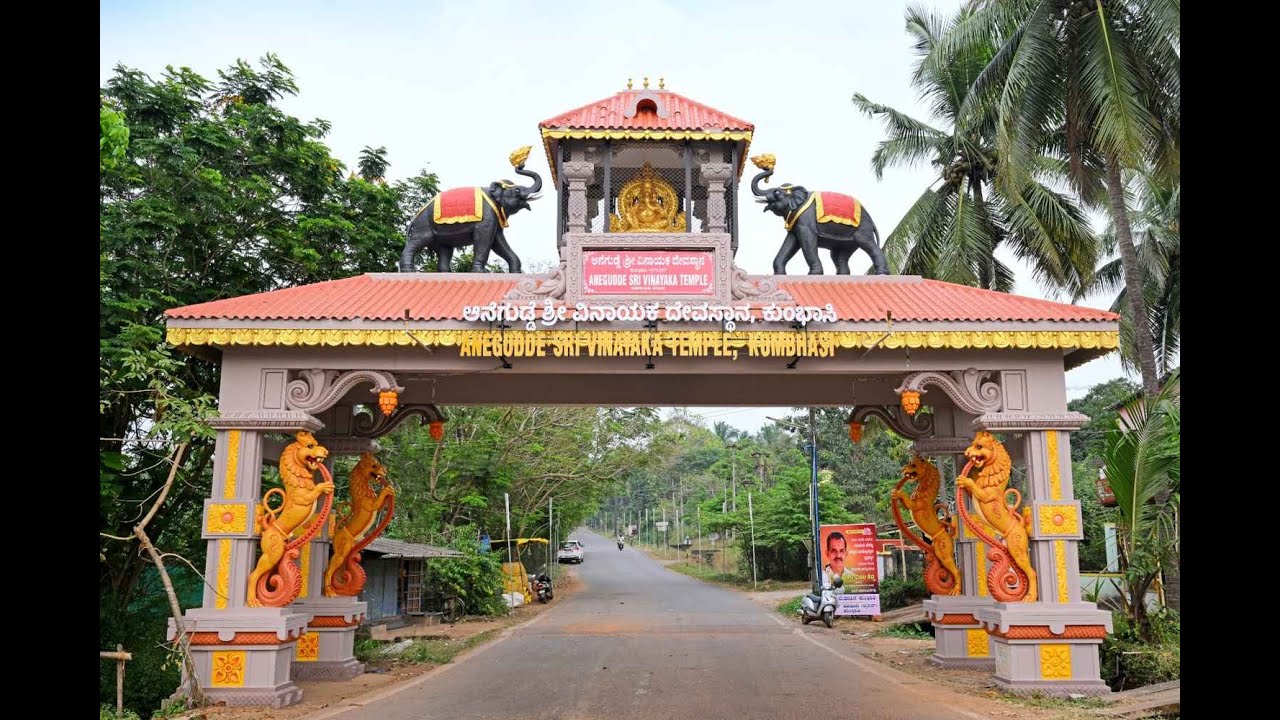
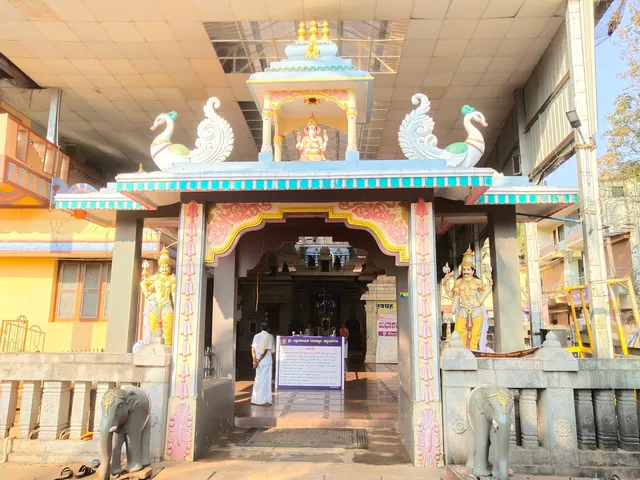
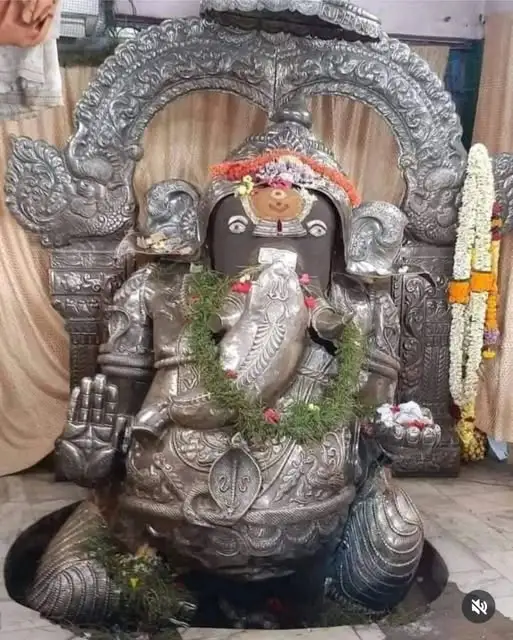
The coast is rich in shrines to Lord Ganesha, the remover of obstacles. Anegudde, whose name means "Elephant Hill," is one of Karnataka's most celebrated Ganapathi temples, tradition says Sage Agastya and others worshipped Lord Ganesha here to overcome demonic forces, and devotees still seek success in education, business, travel and family life, especially during Sankashti Chaturthi and Ganesh Chaturthi. Nearby the Udbhava Ganapathi shrine at Anegudde is revered for a belief that the Lord manifested there in a self-originated (swayambhu) form.
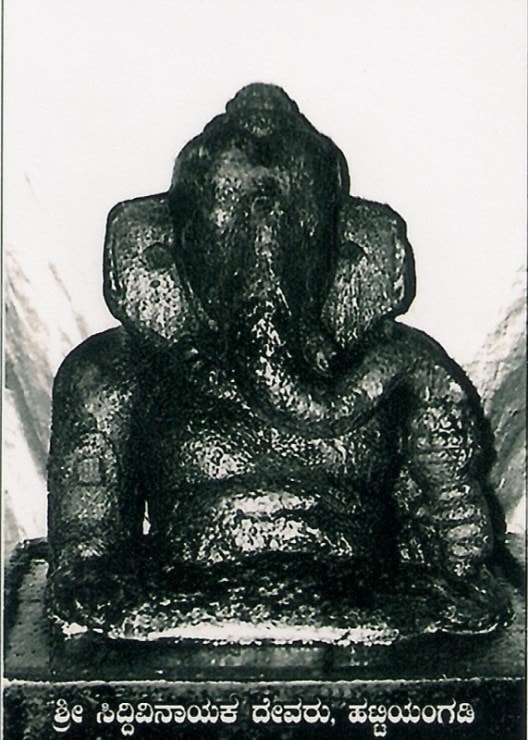
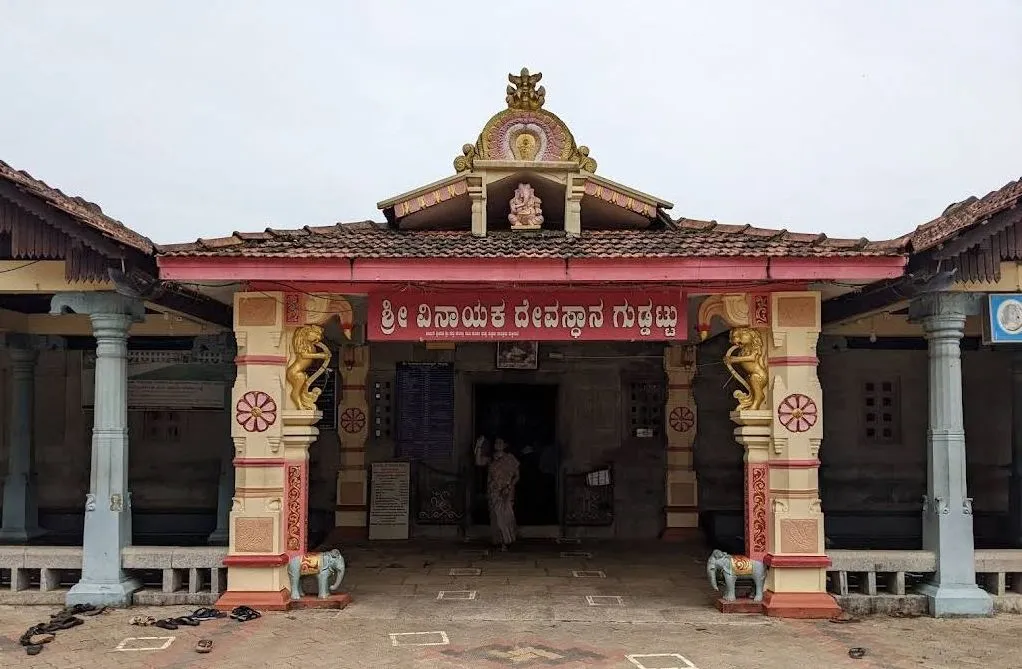
At Hattiangadi, the centuries-old Sri Siddhi Vinayaka Temple is worshipped as the bestower of accomplishment; merchants and travellers traditionally prayed here before long journeys, and devotees offer coconut, modaka and durva grass. At Guddattu, the Sri Vinayaka temple is famed for its swayambhu idol, which sits within the sanctum perpetually surrounded by natural spring water, a phenomenon that draws devotees throughout the year.
Shiva temples of the coast
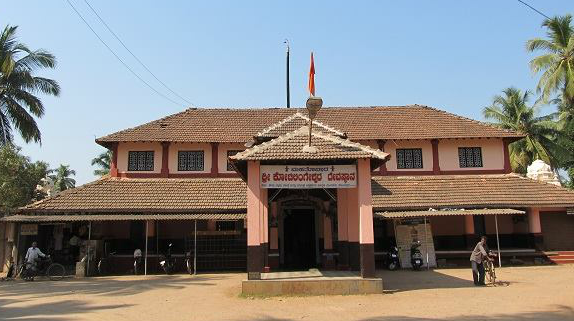
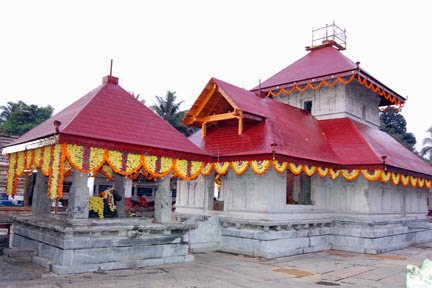
Koteshwara is one of the oldest and most revered Shiva temples in coastal Karnataka: by tradition Lord Shiva manifested here as countless lingas, giving the name Koteshwara: "Lord of Crores." Its Kotilingeshwara shrine has been a pilgrimage centre for centuries. In Kundapura town the Sri Mahalingeshwara Temple is among the principal Shaiva centres, vibrant at Mahashivaratri, Kartika Deepotsava and the annual Rathotsava. The ancient Mahalingeshwara Temple at Basrur reflects the religious heritage of that once-great trading town, while at Maranakatte the Brahmalingeshwara shrine on the Souparnika is worshipped for peace, prosperity and protection. Further along the coast stand the Someshwara Temple at Byndoor, drawing crowds at Shivaratri; the Panchalingeshwara Temple at Gangolli, renowned for its five sacred lingas; and the unique Seneshwara Temple at Sasthan.
Shakti shrines
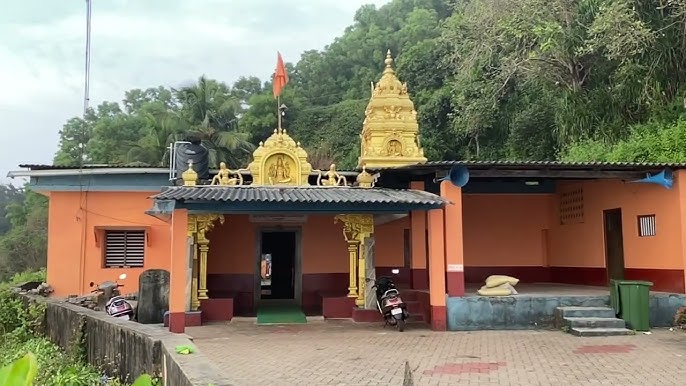
The Divine Mother is worshipped across the taluk in many fierce and benign forms. Kamalashile, on the banks of the Kubja river, is one of the most revered Shakti temples of the coast: the Goddess Brahmi Durgaparameshwari is believed to have manifested here to protect devotees, and the sacred black stone of the shrine is held in special reverence. Daily worship includes alankara, mahapooja and deeparadhana, and the temple is thronged during Navaratri. Near Koteshwara, the Mahishamardini shrine honours the Goddess as destroyer of evil; Basrur's Sharadamba Temple is dedicated to the goddess of learning, sought by students and scholars; and the Durga Parameshwari Temple at Uppunda is revered as the guardian deity of its region. At Maranakatte too, a Brahmi Durgaparameshwari shrine stands beside the Shiva and Vishnu temples.
 Kamalashile
Vishnu temples
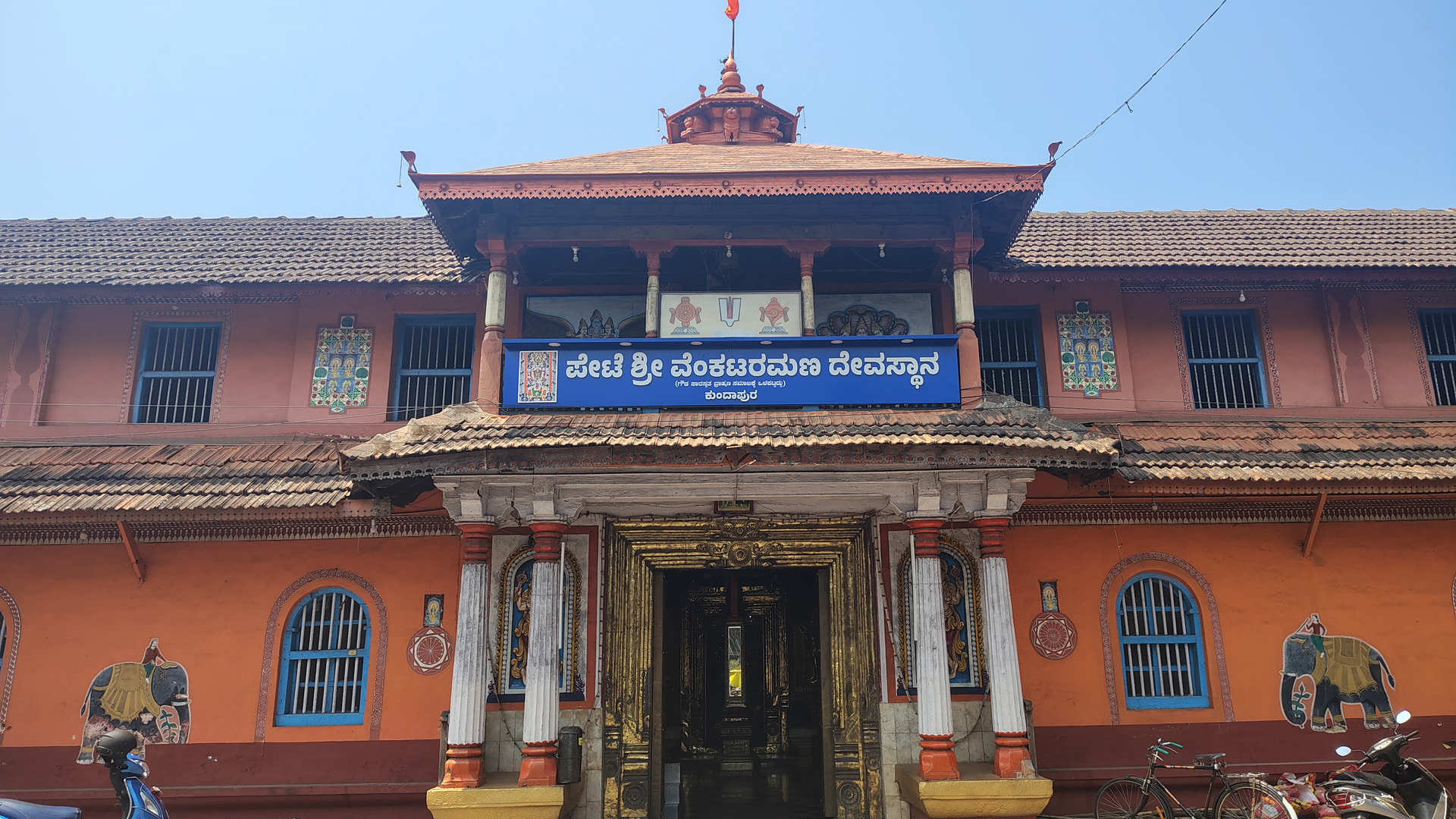
The Vaishnava heritage of Kundapura is anchored by the Sri Venkataramana Temple in Kundapura town, which preserves traditional rituals and draws large numbers of devotees to its annual celebrations. The Lakshmi Narayana Temple, dedicated to Vishnu and Lakshmi, emphasises devotion, prosperity and spiritual discipline. At Maranakatte the Sri Janardhana Temple, set beside the river, has been a centre of Vaishnava devotion for centuries, celebrated with the Janardhana Rathotsava and Krishna observances. On the elevated headland at Ottinene, the Bindumadhava Temple offers a serene setting for the worship of Lord Vishnu.
Shankaranarayana, the unity of Shiva and Vishnu
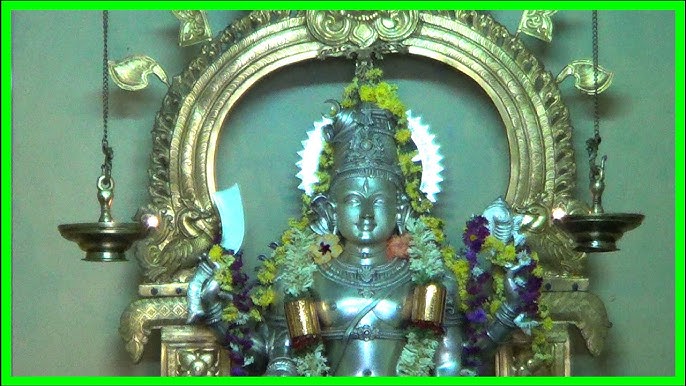
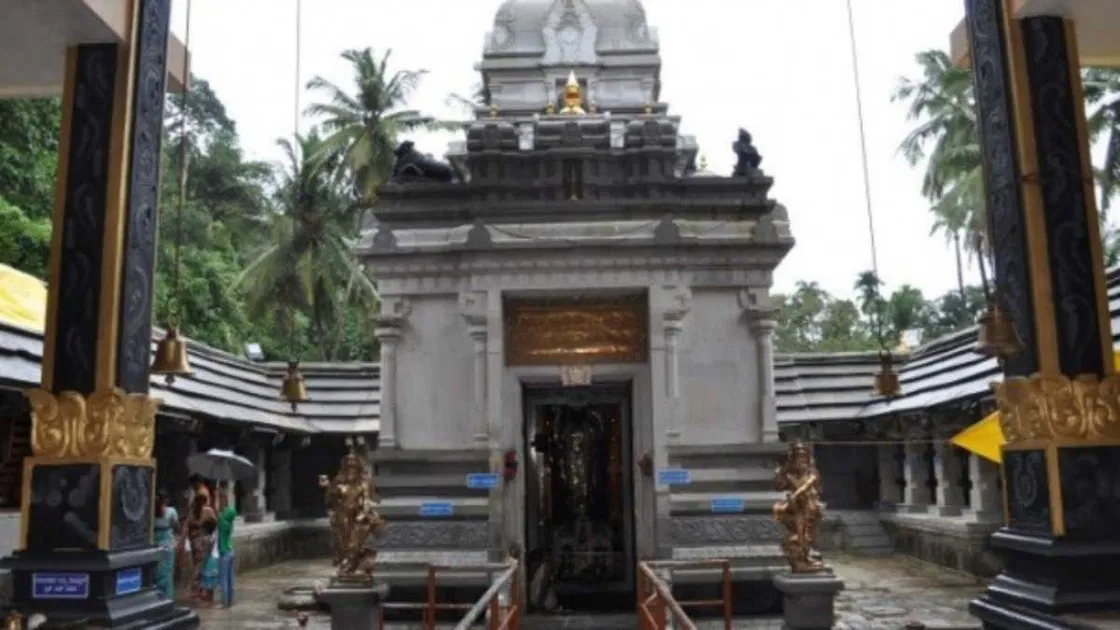
Among the most unique temples in Karnataka is Sri Shankaranarayana, where the deity combines two great traditions in a single form, Shiva (Shankara) and Vishnu (Narayana). This synthesis symbolises the essential unity of Hindu worship, and for centuries devotees of both Shaiva and Vaishnava traditions have worshipped here together, making the temple a powerful emblem of religious harmony. Its complex holds a main sanctum, ancient sub-shrines, sacred tanks and ritual structures whose architecture reflects several historical periods; the annual Rathotsava draws pilgrims from across Karnataka.
The temples at a glance
The taluk's shrines span every major tradition and many towns and villages. The table below gathers the principal temples described above.
| Temple | Place | Deity | Known for |
|---|---|---|---|
| Mookambika | Kollur | Shakti (Devi) | Foremost Shakti centre; Sri Chakra of Adi Shankaracharya; Vidyarambham. |
| Vinayaka | Anegudde (Kumbhashi) | Ganapathi | "Elephant Hill"; one of the seven Mukti Sthala kshetras. |
| Udbhava Ganapathi | Anegudde | Ganapathi | Self-originated (swayambhu) form of the Lord. |
| Siddhi Vinayaka | Hattiangadi | Ganapathi | Centuries-old; bestower of accomplishment; merchants' shrine. |
| Vinayaka | Guddattu | Ganapathi | Swayambhu idol standing in perpetual spring water. |
| Kotilingeshwara | Koteshwara | Shiva | "Lord of Crores"; countless lingas; ancient kshetra. |
| Mahalingeshwara | Kundapura town | Shiva | Principal Shaiva centre; Mahashivaratri & Kartika Deepotsava. |
| Mahalingeshwara | Basrur | Shiva | Ancient temple of the old trading town. |
| Brahmalingeshwara | Maranakatte | Shiva | Riverside shrine; part of the threefold Maranakatte complex. |
| Someshwara | Byndoor | Shiva | Pilgrimage temple; great Shivaratri celebrations. |
| Panchalingeshwara | Gangolli | Shiva | Five sacred Shiva lingas. |
| Brahmi Durgaparameshwari | Kamalashile | Shakti | Sacred black stone; riverside Shakti shrine; Navaratri. |
| Mahishamardini | Koteshwar | Shakti | Goddess as destroyer of evil; Navaratri. |
| Sharadamba | Basrur | Shakti | Goddess of learning; Saraswati worship. |
| Durga Parameshwari | Uppunda | Shakti | Guardian deity of the region. |
| Venkataramana | Kundapura town | Vishnu | Centre of the town's Vaishnava worship. |
| Janardhana | Maranakatte | Vishnu | Riverside Vaishnava centre; Janardhana Rathotsava. |
| Bindumadhava | Ottinene | Vishnu | Serene elevated setting for worship. |
| Shankaranarayana | Shankaranarayana | Shiva + Vishnu | Unique combined deity; emblem of religious harmony. |
| Seneshwara | Sasthan | Local | Unique shrine revered for protection and fulfilment. |
Naga and Daiva shrines
Beyond the great temples, the villages of the coast are dotted with smaller shrines to the Naga (serpent) deities and to local Daivas (spirits), reflecting Kundapura's distinctive folk religion, closely tied to the Bhuta Kola tradition. Together with the Agamic temples, these living shrines complete the sacred landscape of the taluk.
See also
References & notes
- Compiled report: "Sacred Temples of Kundapura Taluk, the Spiritual Heritage of Coastal Karnataka."
- Temple administration notices and pilgrimage guides.
- Coastal Karnataka temple surveys and local oral tradition.
Photographs were contributed by residents and visitors documenting the temples, and are used for educational and cultural reference, not for commercial purposes.