The Beaches of Kundapura
A comprehensive exploration of the coast, sea, sand, river and the rhythms of fishing life.
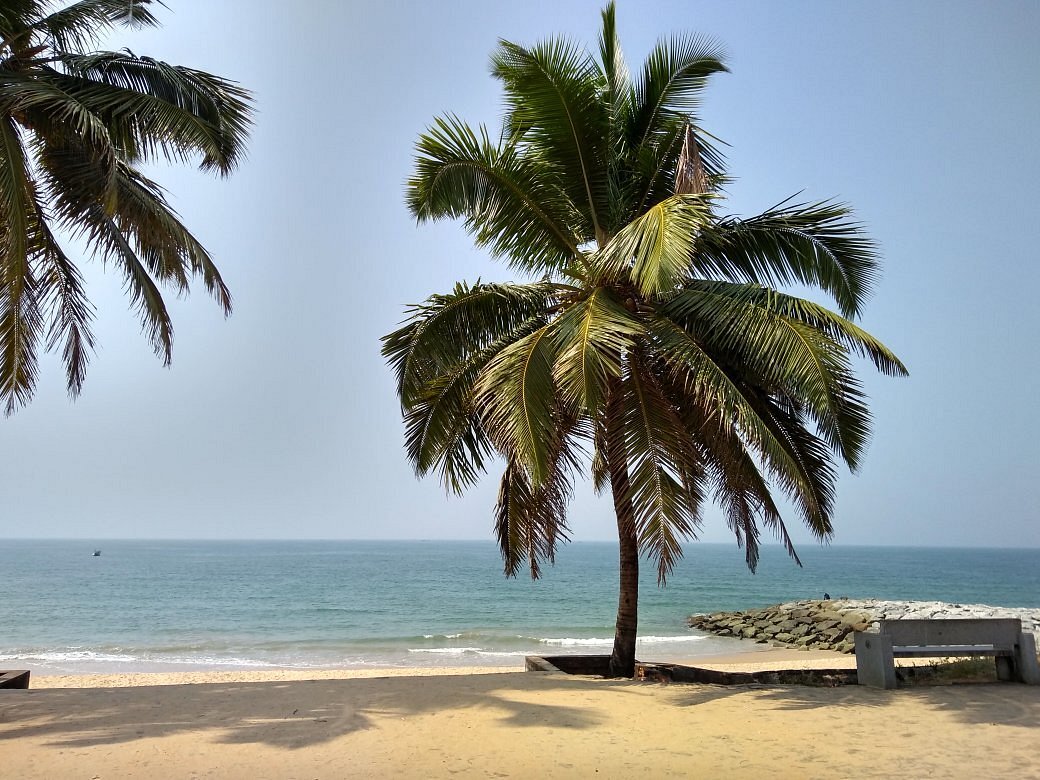
Kundapura, on the Arabian Sea coast of Karnataka, is home to some of the most pristine and scenic beaches in South India. Across a shoreline where rivers meet the sea and golden sands merge with coconut groves, its beaches offer a rare blend of natural beauty, tranquility and traditional coastal life. Unlike many heavily commercialised destinations, they retain their original charm, fishermen launch their boats at dawn, migratory birds visit the estuaries, and vast stretches of sand remain untouched by large-scale development.
These beaches are not merely recreational spaces. They are living environments that support local livelihoods, sustain marine biodiversity, preserve cultural traditions and shape the region's identity. The coastline presents an extraordinary variety of landscapes (sandy shores, rocky formations, river mouths, sandbars, mangrove ecosystems and spectacular sunset viewpoints) and every beach possesses its own distinct character, history and ecological significance.
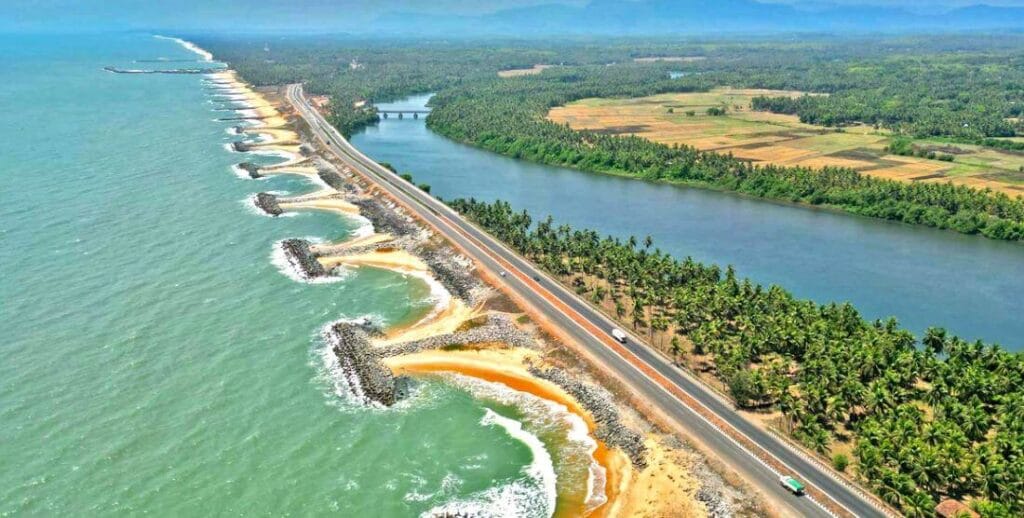 Maravanthe coast
Maravanthe
Main article: Maravanthe Beach
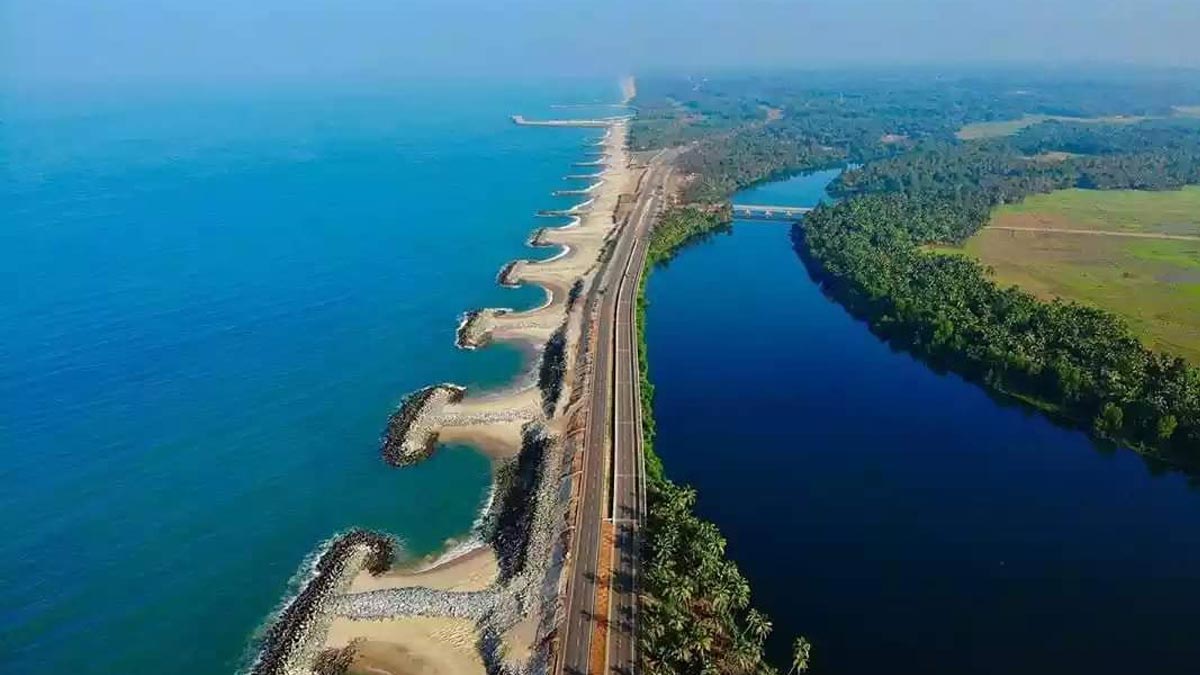
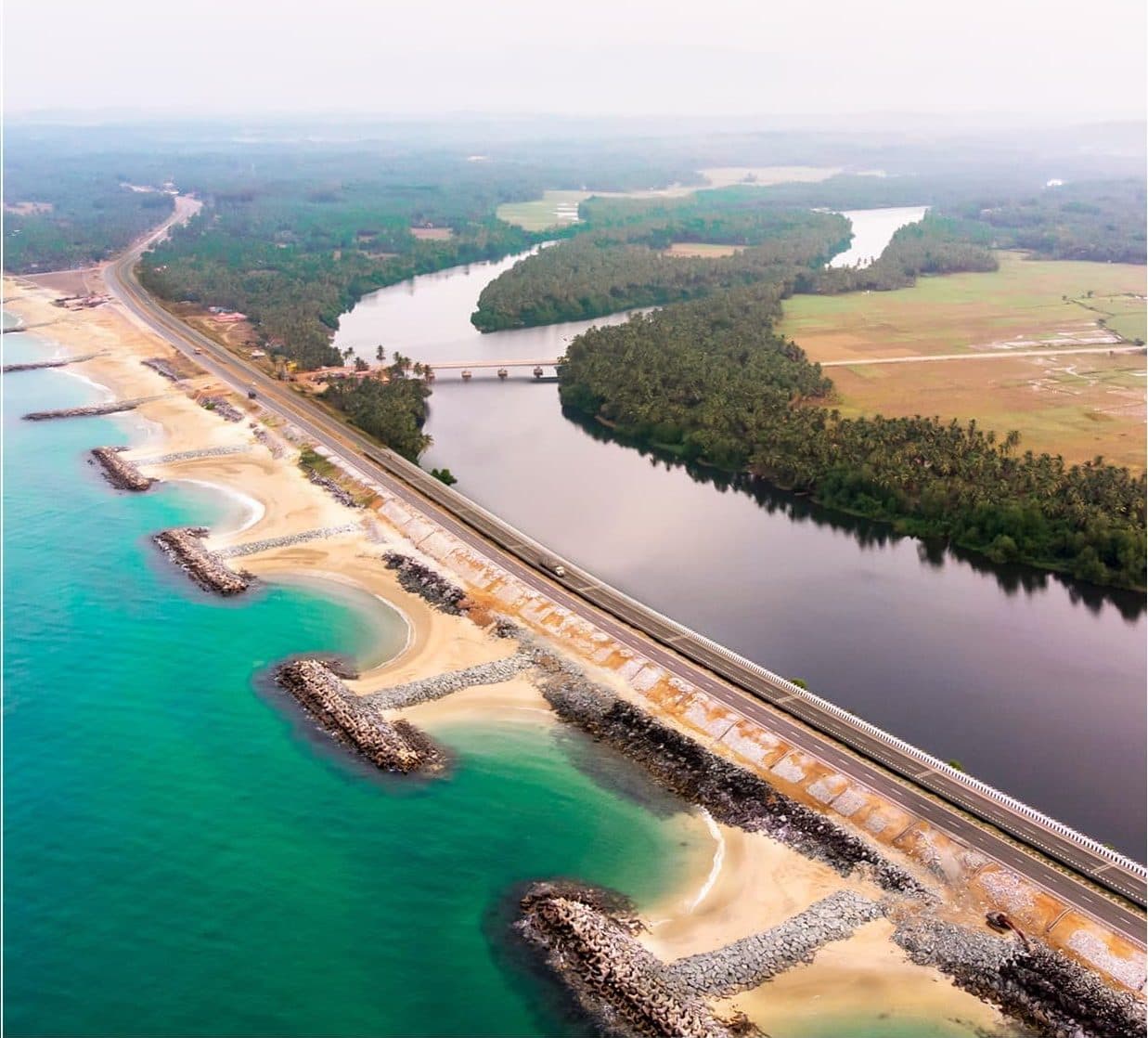
Maravanthe is the crown jewel of Kundapura's coastline and one of the most spectacular coastal stretches in India. Along National Highway 66, it presents a rare geographical phenomenon: the Arabian Sea lies on one side of the road while the Souparnika river flows parallel on the other, with the Kodachadri hills rising behind. Few places in the world offer such a dramatic juxtaposition of river, highway and sea, making this one of the most photographed coastal drives in the country.
The beach stretches for several kilometres with wide golden sands, rolling waves and coconut-lined horizons. The proximity of river and sea creates transitional habitats supporting fish, birds and aquatic life. Its character shifts through the day, soft light at sunrise, deep blue waters at midday, skies of orange, crimson and purple at sunset, and a powerful, dramatic sea through the monsoon.
Kodi Beach
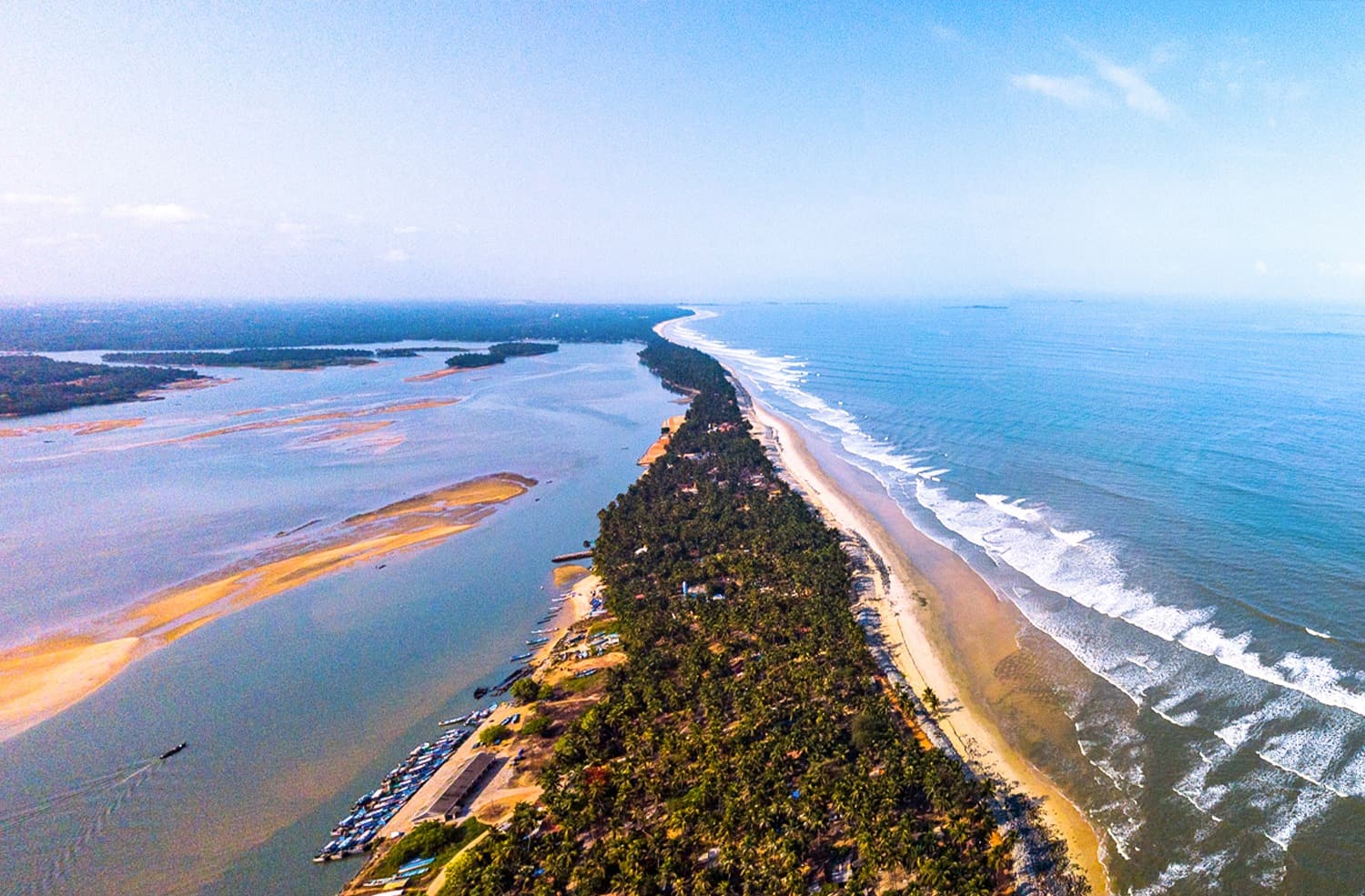
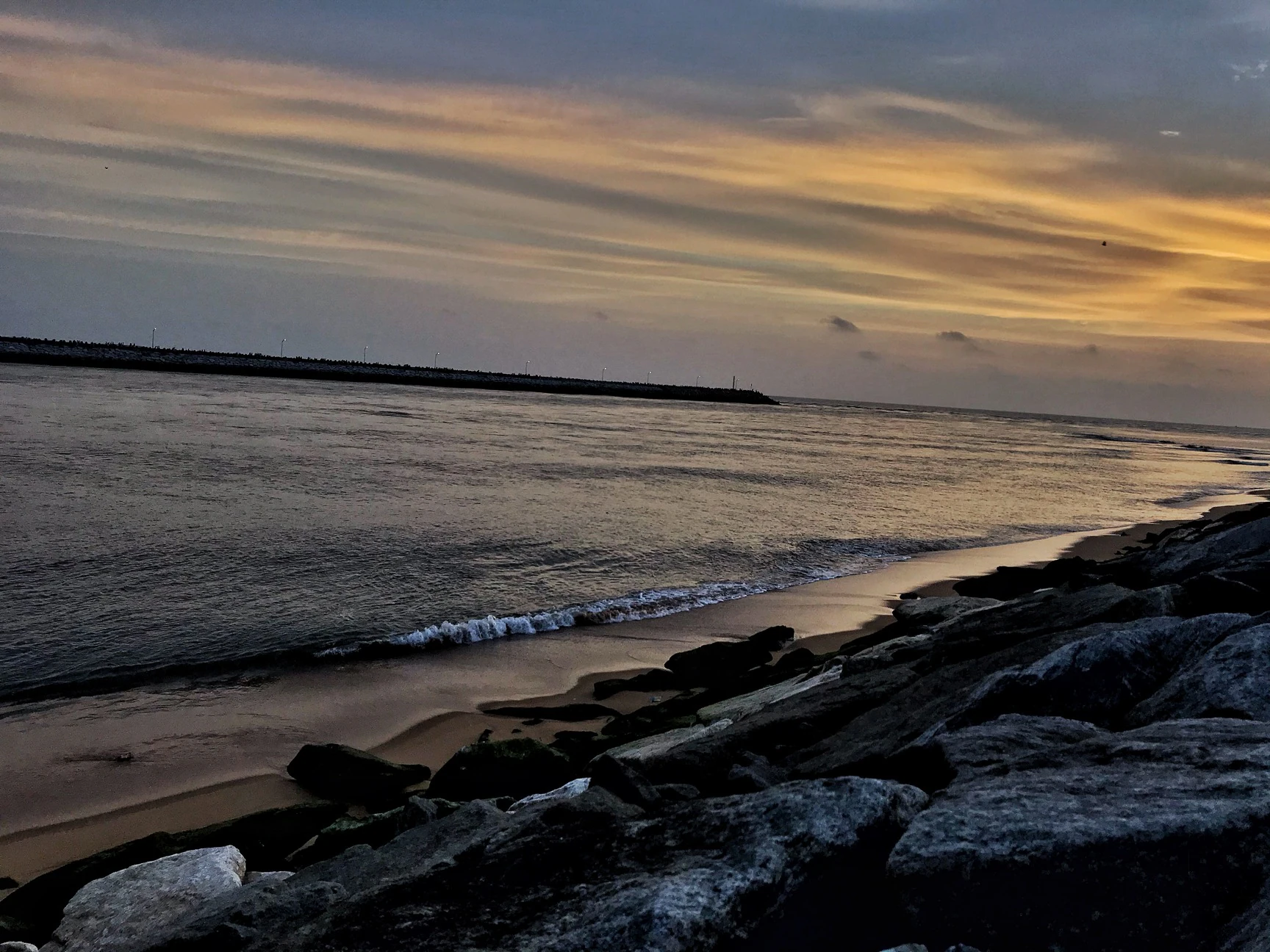
Kodi (Kodi Bengre) occupies a special place among Kundapura's coastal attractions, lying where the river systems meet the Arabian Sea on a slender spit of sand near Gangolli. The name has become synonymous with serene coastal beauty and spectacular sunsets, as light reflects across both river waters and ocean surfaces at once.
The beach features broad sandy stretches, estuarine landscapes, river-mouth ecosystems and coastal dunes, with expansive horizons that create a deep sense of openness. Kodi remains closely tied to traditional fishing communities, visitors watch boats put out, nets being mended and the early-morning fish landings that reveal the enduring relationship between the people and the sea. The estuary supports fish, crabs, mollusks and water birds, all crucial to the marine life cycle.
Gangolli Beach
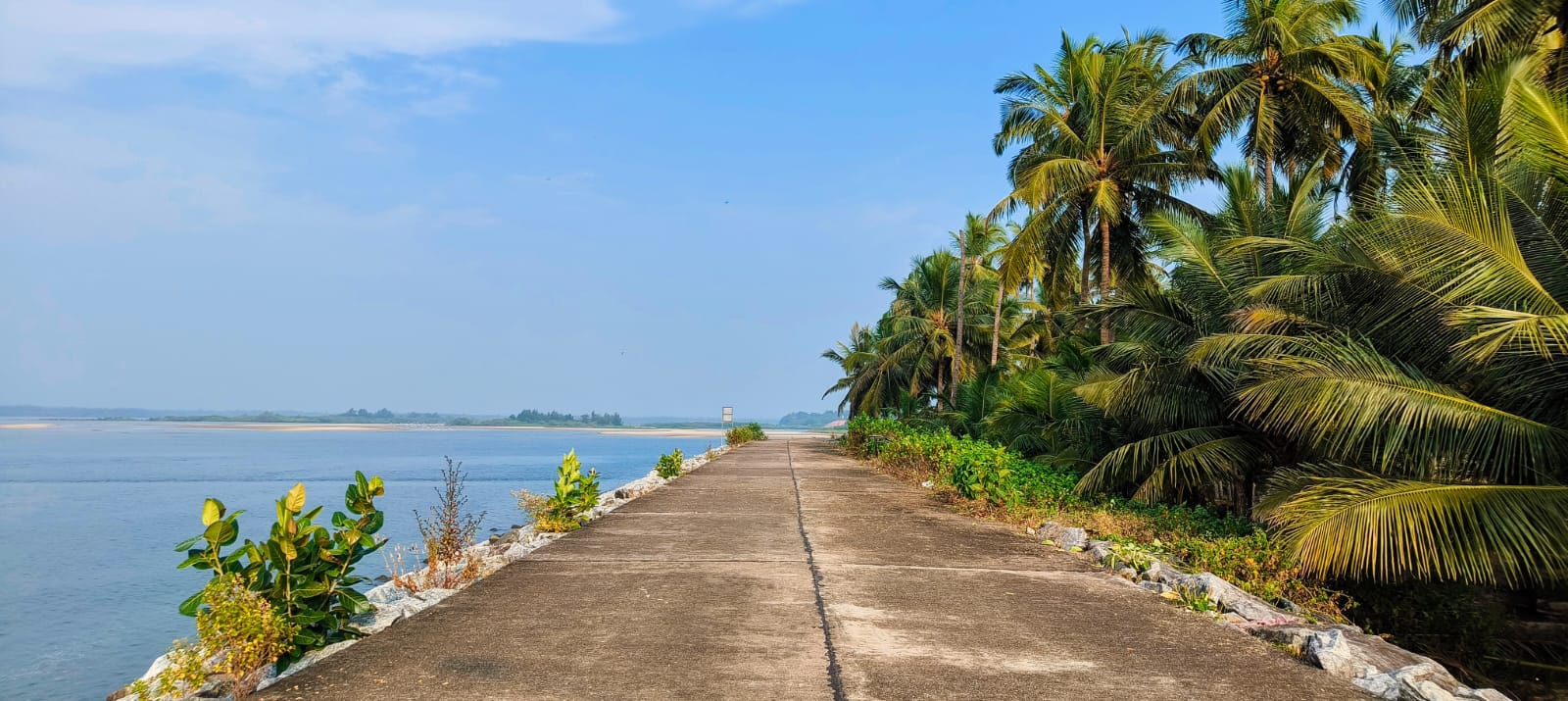
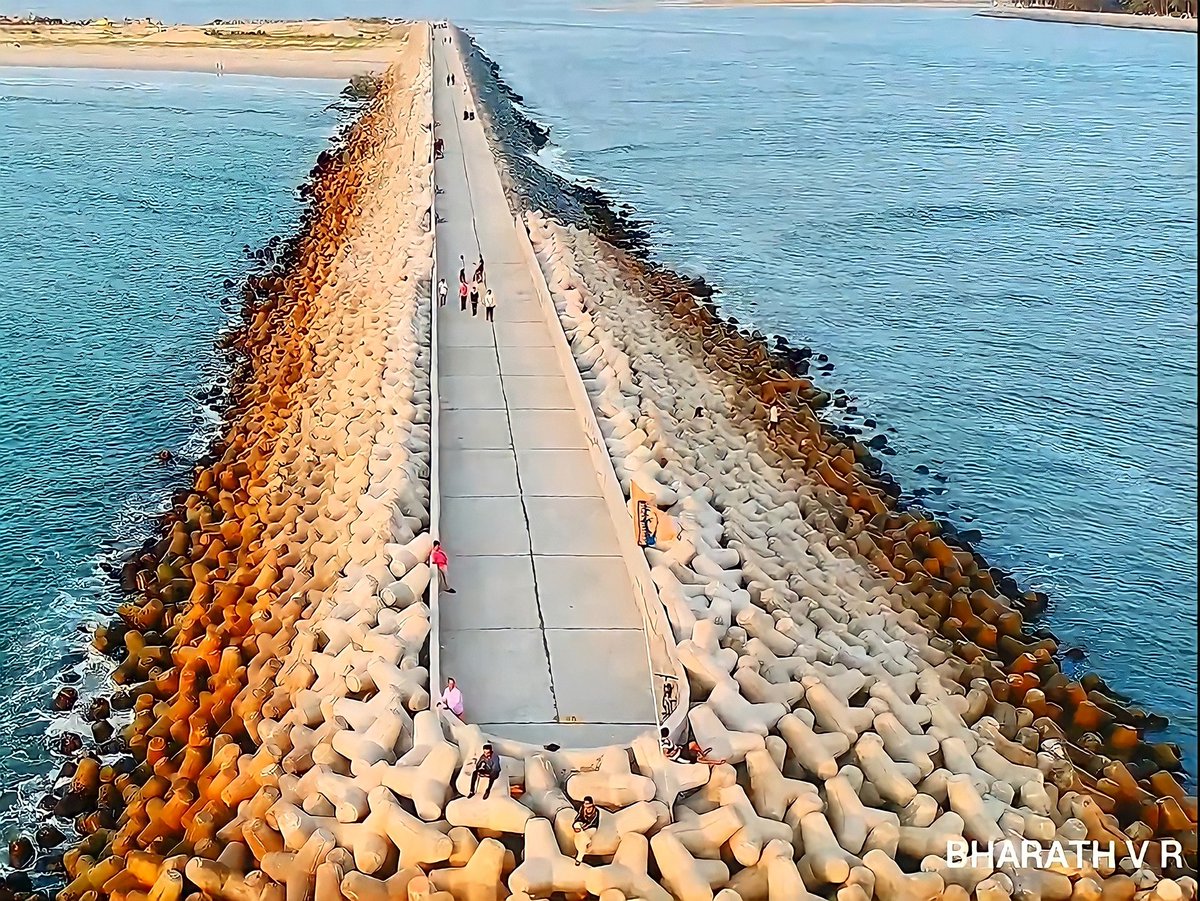
Gangolli beach lies beside one of Karnataka's historically significant coastal settlements, combining maritime heritage with natural beauty. Its location at the mouth of the river system gives it a sandy shoreline, river estuaries, a busy fishing harbour and open sea views, where the constant interaction of land and water reshapes the coast. The nearby estuarine systems serve as nursery grounds for fish, habitats for birds and shellfish populations, making the area ecologically rich. Compared with commercialised beaches elsewhere, Gangolli keeps a peaceful atmosphere where traditional coastal life unfolds alongside the scenery.
Ottinene Beach
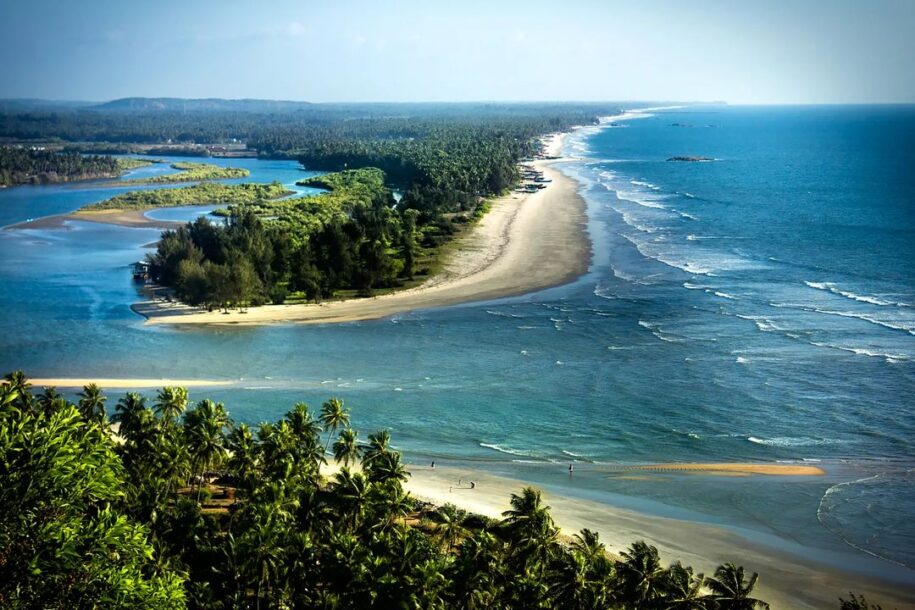
Ottinene is among the most scenic spots on the Kundapura coast, set apart by its elevated viewpoints and forested surroundings. Unlike the flat beaches nearby, Ottinene features elevated coastal terrain, rocky formations, cliff-like vantage points and sandy shorelines below, a varied topography that opens perspectives unavailable elsewhere. From its natural lookouts the eye sweeps across sea horizons, coastal vegetation, river systems and sunset landscapes; photographers regard it as one of the most visually rewarding locations in the region. The surrounding vegetation shelters birds, small mammals, reptiles and coastal plant communities.
 Ottinene viewpoint
Trasi Beach
Trasi, just south of Maravanthe, represents the quieter side of the Kundapura coastline. Known for its peaceful atmosphere and expansive sands, it offers the sea without the crowds, long sandy stretches, gentle gradients, coconut groves and natural vegetation. Its simplicity is its appeal: visitors come for relaxation, beach walks, photography, nature observation and sunset viewing, and the absence of heavy commercialisation keeps the natural environment firmly the main attraction.
The beaches at a glance
Each beach along the Kundapura coast has a distinct character, from famous highways to gloriously empty sand. The table below summarises what sets each apart.
| Beach | Character | Known for |
|---|---|---|
| Maravanthe | Sea–highway–river strip | India's most photographed coastal drive; NH 66 between the Arabian Sea and Souparnika river. |
| Kodi Bengre | River-mouth spit | Estuarine sunsets, traditional fishing, a slender spit of sand between backwater and sea. |
| Gangolli | Harbour beach | Maritime heritage, the fishing harbour and the long tetrapod sea walk. |
| Ottinene | Elevated viewpoint | Cliff-like lookouts and panoramic vistas of coast, river and sunset. |
| Trasi | Quiet open sands | Wide, peaceful beaches and casuarina groves for long, uncrowded walks. |
Coastal ecology
The beaches of Kundapura are living ecosystems. Where freshwater rivers meet the salt of the Arabian Sea, transitional estuarine habitats sustain rich biological productivity, marine fish, crustaceans, mollusks, shore birds and seasonal migratory birds, alongside coastal vegetation and riverine biodiversity. The estuaries at Kodi and Gangolli act as nursery grounds for fish and prawn, the open sands at Kodi and Gangolli are nesting beaches for sea turtles, and the elevated forests around Ottinene shelter their own communities of birds, mammals and reptiles. Together they form one interconnected coastal ecosystem.
Visiting the beaches
The beaches are at their best from October to February, when the sea is calm, the air cool and the skies clear. Swimming can be dangerous during the monsoon and near the river mouths because of strong currents and shifting sandbars, visitors should always heed local advice and warning signs. Sunrise and sunset are the most rewarding times to visit; carry water and sun protection, and take all litter home to help keep these shores as unspoiled as they are today. See the travel guide for access, transport and timing.
See also
References & notes
- Compiled report: "The Beaches of Kundapura, A Comprehensive Exploration of Coastal Beauty."
- Karnataka Tourism, coastal beaches of Udupi district.
- Local visitor and fishing-community information.
Photographs were contributed by residents and visitors documenting the coast, and are used for educational and cultural reference, not for commercial purposes.